
The Flag of Guatemala — Professional Brief
1. Executive summary
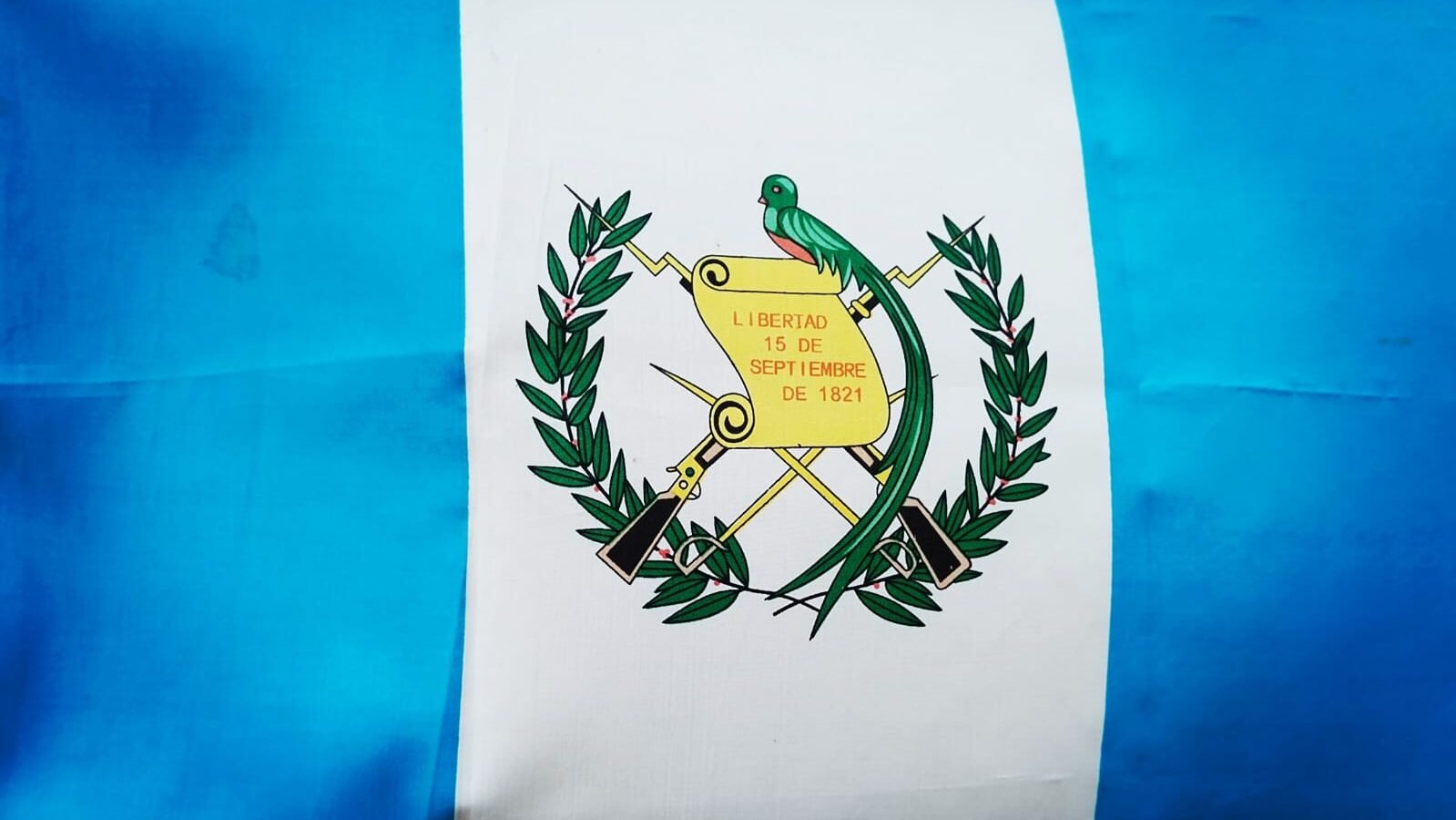
The modern national flag of Guatemala — a vertical triband of sky-blue, white, sky-blue with the national coat of arms at center — was established in 1871 during the Liberal government of Miguel García Granados. It recovers the blue-and-white colors associated with the Provinces/Republic of Central America and has been regulated by several executive acts and laws that set its design, proportions and protocol. Wikipedia
2. Key dates & legal framework
- 17 August 1871 — Executive decree by the provisional government of General Miguel García Granadosrestored the blue-and-white design (vertical stripes) that is the direct ancestor of today’s flag; this date is commemorated as the Day of the Flag. Congreso de Guatemala
- 18 November 1871 — Decree adopting the modern Coat of Arms, intended to be placed at the flag’s centre. Wikipedia
- 12 September 1968 — Gubernative agreement under President Julio César Méndez Montenegro regulated in detail the colours and placement of the emblem. Wikipedia
- Decreto Legislativo No. 104-97 (Law on the Flag and Coat of Arms) — the Congress of the Republic reaffirmed and updated the normative aspects and protocol for the flag and the coat of arms. This law establishes the flag as the supreme national insignia, defines proportions (5:8), colours, forbids inscriptions/legends on the flag and regulates its ceremonial use. Si Cultura
3. Historical evolution (concise timeline with actors)
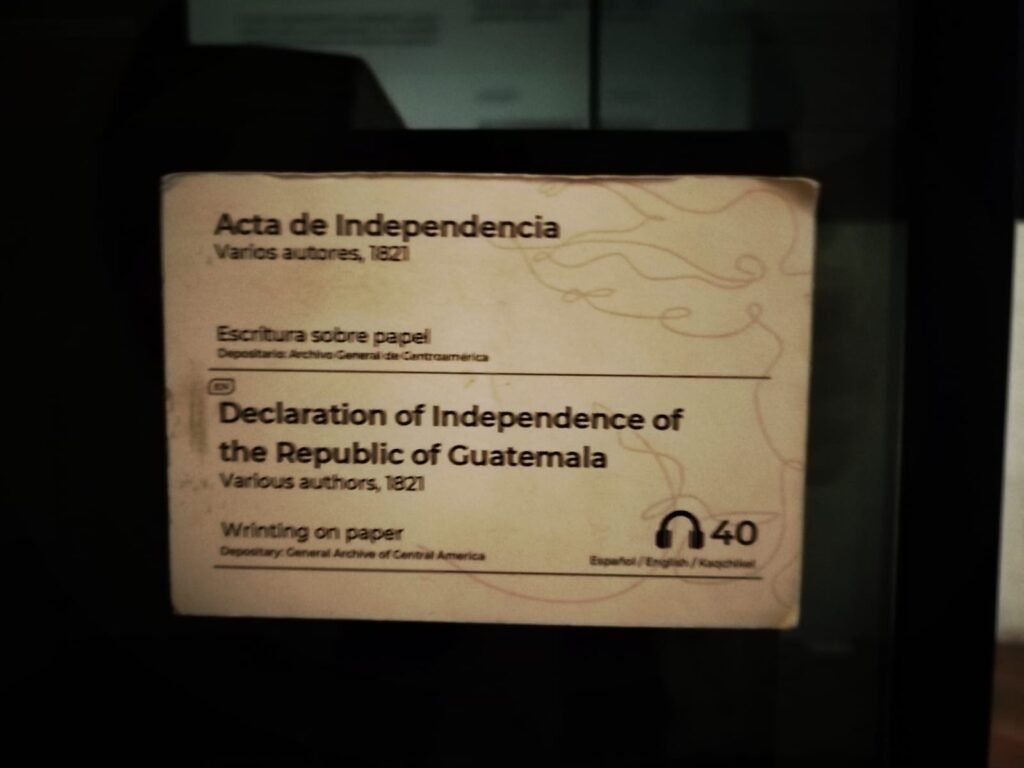
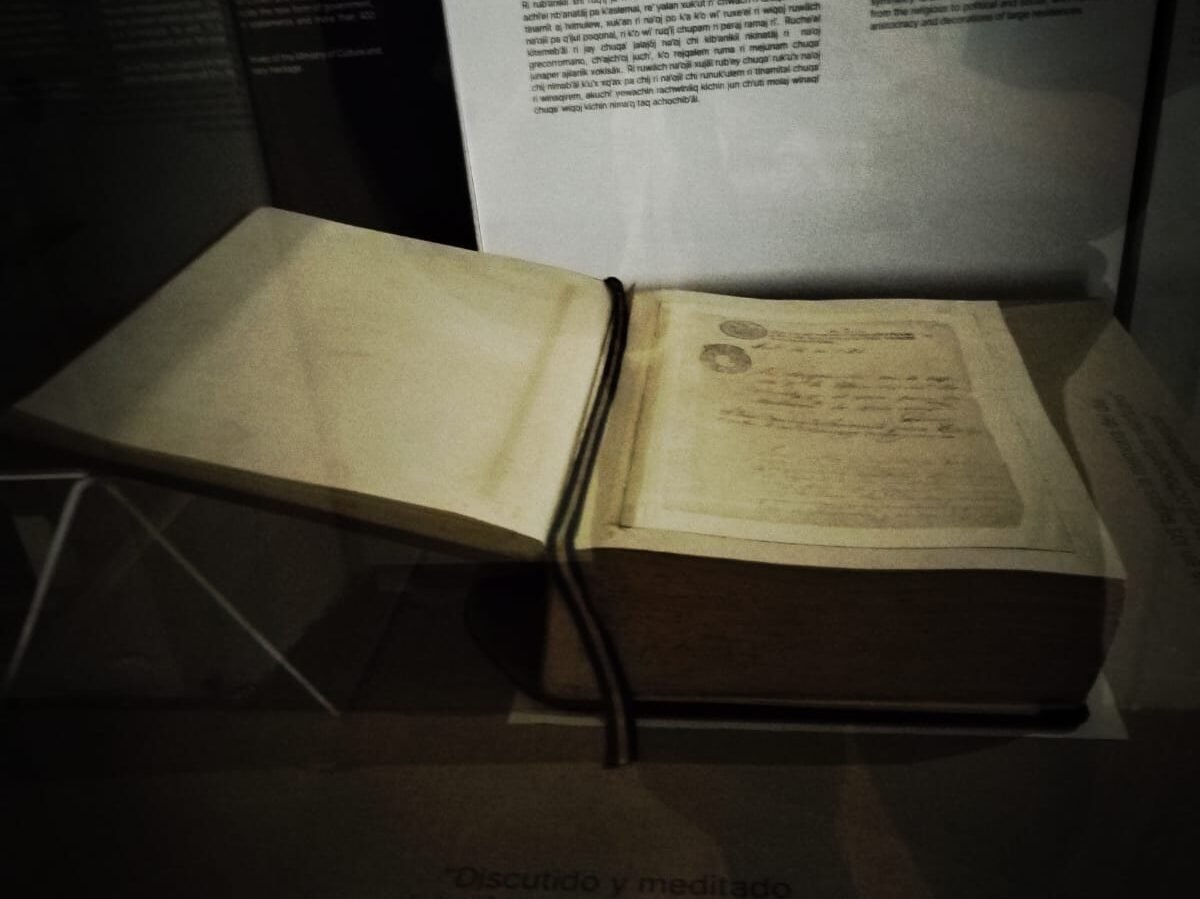
- 1821–1823 — After independence from Spain (1821), the Central American provinces briefly joined the Mexican Empire, then formed the Provincias Unidas (Federal Republic) of Central America (1823 onward). The blue-white-blue scheme (inspired by other Latin American flags) became a regional symbol. Encyclopedia Britannica
- 1838–1851 — Fragmentation of the federation; Guatemala experimented with several flag and emblem variants reflecting political oscillations between Liberals and Conservatives. CRW Flags
- 1858–1871 — Under Conservative caudillo Rafael Carrera and the influence of the Aycinena clan (notably Bishop Juan José de Aycinena y Piñol and allied elites), conservative emblems (including Spanish/monarchical references) were introduced into national symbols. These were perceived by Liberals as representing conservative and clerical power. Wikipedia
- 30 June 1871 — Liberal Revolution — Liberal leaders Miguel García Granados and Justo Rufino Barriosoverthrew the conservative government. One of their acts was to change national symbols to remove conservative/Spanish/clerical references and to re-adopt the Central American blue-and-white motif (but as vertical bands). The executive decrees of August–November 1871 formalized the current flag and coat of arms. CRW Flags+1
4. Design and technical specifications
- Layout: Three vertical stripes of equal width: blue — white — blue. The national Coat of Arms (with the quetzal, scroll, crossed rifles and swords, laurel wreath) occupies the centre of the white stripe when the flag is used as the pabellón (official flag bearing the arms). Si Cultura
- Proportions: Width:Length = 5:8 (established by decree and repeated in later normatives). Si Cultura
- Colours: Traditionally called azul celeste (sky blue) and white. Contemporary reproductions provide Pantone/RGB/HEX approximations (for example, some sources list Pantone 297 / HEX ~#4997D0 for the blue), but the legal definition is descriptive (azul celeste) and the 1968/1997 texts regulate density and placement rather than an exact Pantone. If precise corporate or manufactured matching is required, standardized colour guides should be used in consultation with government protocol offices. Wikipedia
- Flag variants:
- Pabellón nacional — flag including coat of arms at center (used in official/government contexts).
- Plain triband without the arms is often used in informal contexts (lighter use), but legally the flag is the national insignia and the presence of the arms (pabellón) is regulated for official display. Si Cultura
5. Symbolism & official meanings
- White (central stripe): purity, integrity, faith, obedience, firmness, vigilance, peace, and nation. Wikipedia
- Blue (outer stripes): justice, loyalty, strength, the Guatemalan sky and the two oceans that border Central America — the Pacific and the Atlantic/Caribbean. The vertical placement visually “frames” the nation between those two oceans. Wikipedia
- Coat of Arms on the white field: the quetzal (national bird) for liberty/sovreignty; the scroll bears the date of independence (15 September 1821) as a symbol of emancipation; crossed rifles and swords indicate the willingness to defend sovereignty (rifles for defending the republic, swords for honor); laurel wreath symbolizes victory. (Note: specific elements and some inscriptions changed between conservative and liberal versions in the 19th century; the 1871 coat simplified elements to reflect liberal national narratives.) Wikipedia

6. Protocol, correct use and prohibitions
- Supremacy: The flag is the supreme national insignia and must not bear inscriptions, additional legends or be degraded. Si Cultura
- Raising and ordering: In official events the national flag has priority; other flags are ordered according to the Spanish-alphabet order of country names. There are established customs for raising (izar) and lowering (arriar) and for using the march La Granadera during official ceremonies. Schools and institutions also follow civic protocols. Guatemala.com
- Deterioration & respect: The law and associated regulations often contain provisions on the condition required for display and prohibitions on commercial misuse of the flag or using its colors as a factory mark without authorization. Some of these elements are aligned with norms comparable to other Latin American jurisdictions. Scribd
7. Notable people and actors connected to the flag
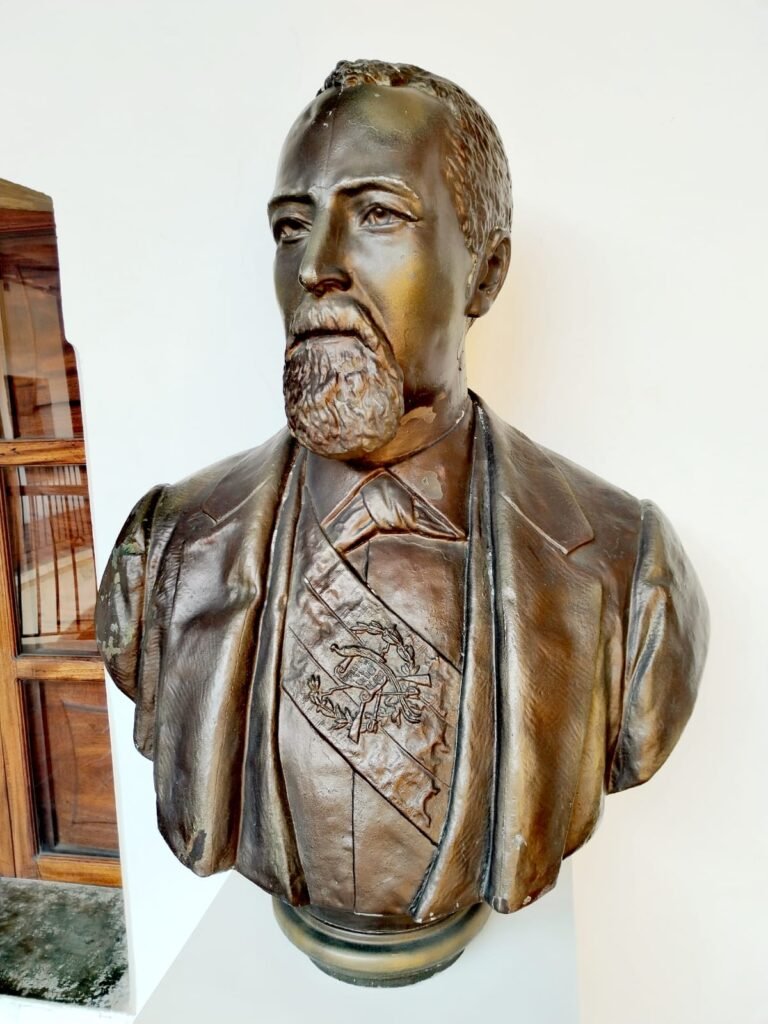
- Miguel García Granados (general, provisional president, 1871): issued the decree(s) in 1871 that restored the blue-and-white colors in vertical form and ordered the new national arms; his government and the Liberal movement reshaped national symbols after the conservative period. Congreso de Guatemala
- Justo Rufino Barrios (liberal general/statesman): a principal leader of the liberal movement that overthrew conservative rule in 1871; political partner to García Granados and influential in the liberal reform program (including symbolic changes). CRW Flags
- Rafael Carrera (conservative caudillo, mid-19th century): under his rule Guatemala used different national emblems (1858 design) that reflected conservative and pro-Spanish influence; these were later replaced by the Liberals. The Aycinena family and conservative clerical elites were influential in that period’s symbolism. Wikipedia
- Julio César Méndez Montenegro (president, 1968): government agreement that regulated technical details of colours and layout (Acuerdo Gubernativo de 1968) referenced by later legislative consolidation (Decreto 104-97). Wikipedia
8. Variants, departmental & governmental flags
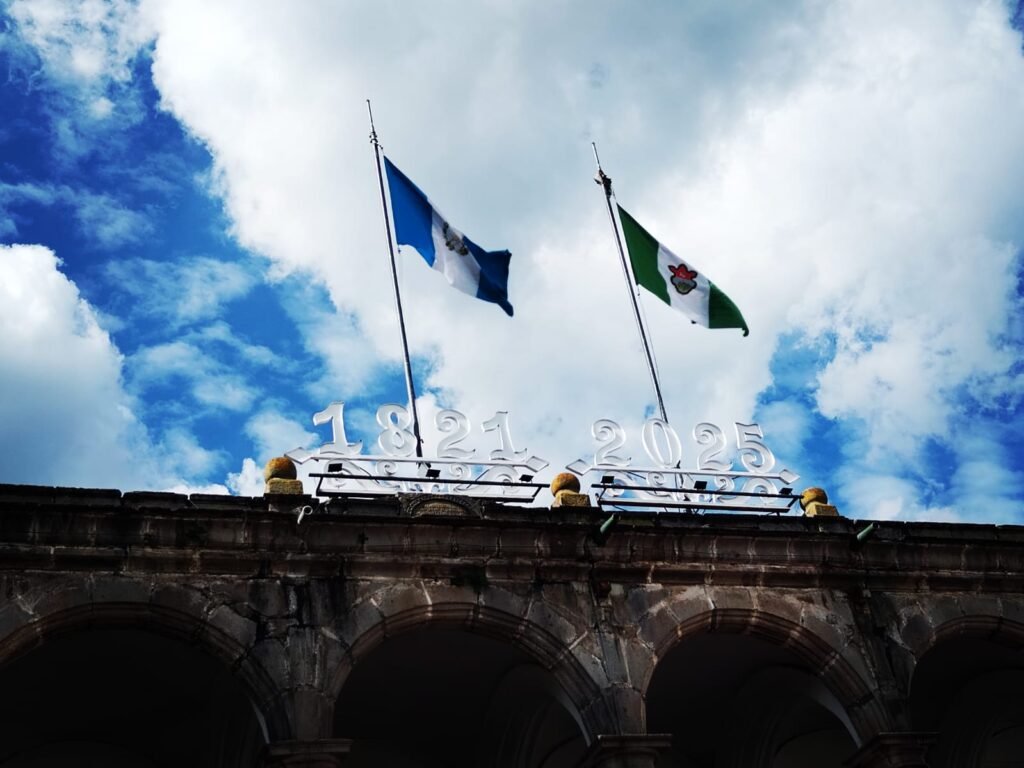
The nation uses specialized banners for high offices (Presidency, Congress, Supreme Court), military banners and departmental flags. These variants follow heraldic/protocol guidelines but do not replace the national flag as the supreme insignia. The Congreso and official protocol offices publish images and descriptions of these banners. CRW Flags
9. Practical notes for reproduction, museums and education
- Manufacture: when producing flags for institutions, coordinate with government protocol offices (or consult the official publications of the Congress / Secretaría de Cultura) for the currently accepted shade and arm reproduction rules. Some commercial references publish RGB/HEX approximations (useful for web/print), but legally the descriptions are normative rather than strictly Pantone-based. Wikipedia
- Historical displays: museums and historical collections (e.g., Museum of History and Art in Guatemala City and other local archives) preserve older flag variants (pre-1871 flags, Carrera era tricolours, federation flags). Useful for academic exhibits showing the political shifts of the 19th century. CRW Flags
10. Sources & further reading (selected, authoritative)
- Decreto Legislativo No. 104-97 — Ley Normativa de la Bandera Nacional y del Escudo de Armas (Congreso de la República) — official legislative text (norms and protocol). Si Cultura
- Wikipedia — Bandera de Guatemala (well-sourced summary and chronology; use as a starting point for references it cites). Wikipedia
- Encyclopaedia Britannica — Flag of Guatemala (historical context and concise technical description). Encyclopedia Britannica
- CRW Flags / FOTW (Flags of the World) — detailed flag history, timelines and images of historical variants. CRW Flags
- Congreso de la República — commemorative and informational pages about the Day of the Flag and the flag’s significance (government commentary). Congreso de Guatemala