
Pepián – Guatemala’s Iconic Traditional Dish
Complete Professional Article in English with Key Information & Links
Introduction
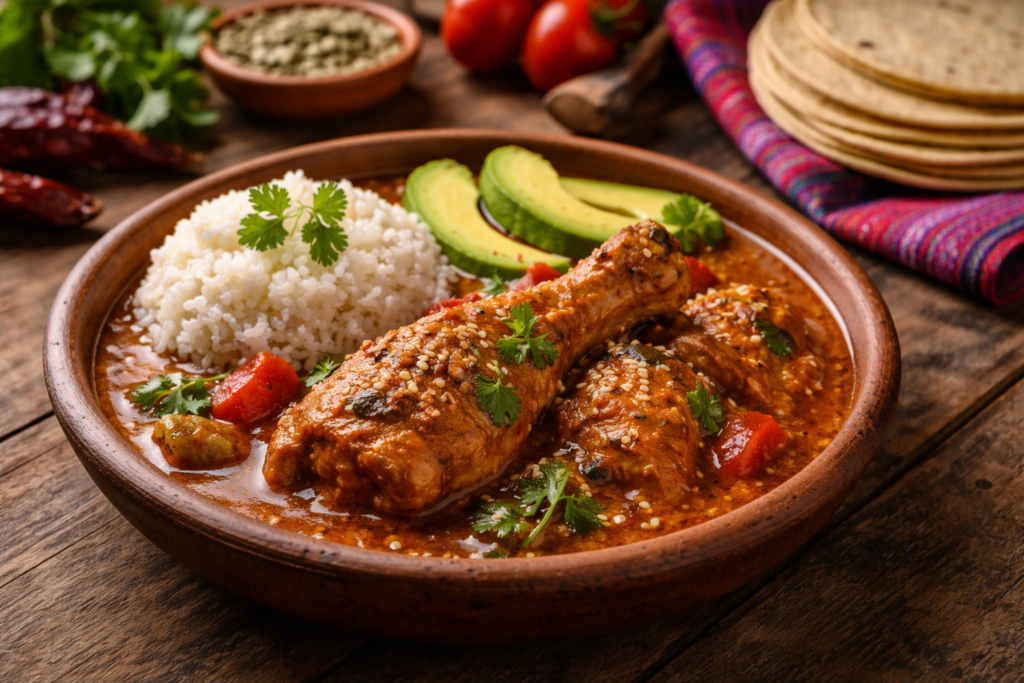
Pepián is one of the most beloved and traditional dishes in Guatemala, rich in history, culture, and flavor. It’s a hearty meat and vegetable stew that reflects Guatemala’s Indigenous heritage and Spanish influences. Pepián is often served at festivals, family gatherings, and everyday meals, and is considered a culinary symbol of Guatemalan gastronomy.
Important to note: the dish has multiple regional variations that reflect local ingredients and customs. Generally, it’s known for its thick, aromatic spiced sauce made from roasted seeds and chiles.
👉 Reference: Pepián – Wikipedia (English)
https://en.wikipedia.org/wiki/Pepián
Historical & Cultural Background
Pepián dates back to pre-Columbian times, with roots in Maya Indigenous cuisine. The dish became more fully developed during the colonial period when Spanish ingredients like tomatoes, onions, meat, and spices were introduced and blended with native cooking techniques and local produce.
The word pepián itself may come from Nahuatl influence (the language of the Aztecs and other Central Mexican cultures) that entered Guatemalan cuisine during the colonial era.
Pepián is mainly associated with Guatemala City and Antigua Guatemala, but every region has its own twist.
Key Ingredients & Flavors
Pepián’s flavor profile is distinctive and complex — savory, smoky, slightly spicy, and deeply satisfying. The main elements include:
1. Protein
- Chicken (most common)
- Beef
- Pork
Some versions combine two or more meats for richer taste.
2. Vegetables & Add-Ins
- Potatoes
- Carrots
- Chayote
- Green beans
- Sometimes squash or other local seasonal produce
3. Toasted Seeds & Chiles
The signature flavor comes from a thick sauce made with:
- Pumpkin seeds (pepitas)
- Sesame seeds
- Dried chiles (typically pasilla, guajillo, ancho, and sometimes sweet chilies depending on the region)
These are toasted and ground to add depth, aroma, and body to the sauce.
4. Herbs & Aromatics
- Garlic
- Onion
- Cilantro
- Spices like black pepper and sometimes allspice
5. Thickener
The sauce is thickened with tortilla pieces, bread, or masa (corn dough), depending on the recipe, to give it a hearty stew-like consistency.
Preparation & Key Steps
Pepián is a multi-stage dish that involves careful preparation:
- Roasting the Seeds & Chiles:
The seeds and dried chiles are toasted over heat until aromatic. - Soaking & Rehydrating Chiles:
Dried chiles are soaked to soften before blending. - Blending the Sauce Base:
Toasted seeds, chiles, garlic, onions, and spices are ground into a smooth, dark sauce. - Cooking the Meat Separately:
Chicken or beef is usually cooked with aromatics to build flavor before adding the sauce. - Combining & Simmering:
The sauce is added to the meat and vegetables, and everything simmers until the flavors meld and the stew thickens.
Regional Variations
While the core concept of Pepián remains consistent — a thick stew with a toasted seed-based sauce — regional differences include:
✔ Antigua Guatemala: Often more tomato-forward and slightly sweeter due to local produce.
✔ Guatemala City & Central Highlands: Uses a variety of chiles and sometimes includes more than one type of meat.
✔ Rural Areas: Local vegetables and wild greens can be added seasonally.
These variations show how Pepián reflects its local contexts, making it both universally recognized and locally celebrated.
Cultural Significance & Occasions
Pepián is not just food — it’s tradition. It’s a staple at:
- Family celebrations
- Festive holidays (e.g., Independence Day, Holy Week)
- Special dinners with guests
- Community feasts
It’s often considered a dish that represents national pride, similar to how mole represents Mexico or ceviche represents Peru.
Serving & Presentation
Pepián is typically served with:
🍚 White rice
🥑 Slices of ripe avocado
🌽 Tortillas (corn or flour)
🍛 Often garnished with fresh cilantro or sesame seeds for aroma and texture.
In many restaurants, you’ll see Pepián presented in a wide bowl with both the sauce and vegetables visible alongside the meat — inviting and rich.
Nutritional & Culinary Notes
- Pepián is nutrient-dense — rich in protein, fats (from seeds), and vitamins (from vegetables).
- The sauce’s use of seeds adds healthy fats, while the vegetables provide fiber and minerals.
- Because of the roasting and blending process, flavors are deep, smoky, and layered — making it one of Guatemala’s most iconic savory dishes.
Comparison to Other Dishes
Pepián is distinct from other Central American stews due to:
🟠 Its signature toasted seed base
🟠 Use of multiple dried chiles
🟠 Thick, stew-like texture
🟠 A cultural identity deeply tied to Guatemala
It’s often compared (but not directly similar) to Mexico’s mole, because both use toasted seeds and chiles, yet Pepián is typically simpler, less sweet, and more savory.
Key Facts at a Glance
| Aspect | Information |
|---|---|
| Name | Pepián |
| Country of Origin | Guatemala 🇬🇹 |
| Dish Type | Thick meat & vegetable stew |
| Main Flavors | Savory, smoky, slightly spicy |
| Core Base | Toasted seeds + chiles |
| Traditional Proteins | Chicken, beef, pork |
| Served With | Rice, tortillas, avocado |
| Cultural Significance | National traditional dish |
| Similar Analogues | Mole (Mexico) – distinct differences |
Recipes & Cooking Guides
If you want to explore how to make Pepián at home, these sources include step-by-step recipes:
📌 Guatemala.com – Traditional Pepián Recipe
https://www.guatemala.com/recipe/pepian-guatemalan-stew (guatemala.com)
📌 Mexican/Latin Food Blog – Pepián Recipe with Photos
https://www.mexicoinmykitchen.com/guatemalan-pepian/ (mexicoinmykitchen.com)
Further Reading & External References
- Wikipedia (English – Pepián): https://en.wikipedia.org/wiki/Pepián
- Guatemala.com – Gastronomy: https://www.guatemala.com/aprende/gastronomia-de-guatemala/
- Traditional Pepián Recipe (with images): https://www.mexicoinmykitchen.com/guatemalan-pepian/