
Iximché: The Last Kaqchikel Maya Capital
A Journey to the Heart of the Guatemalan Highlands
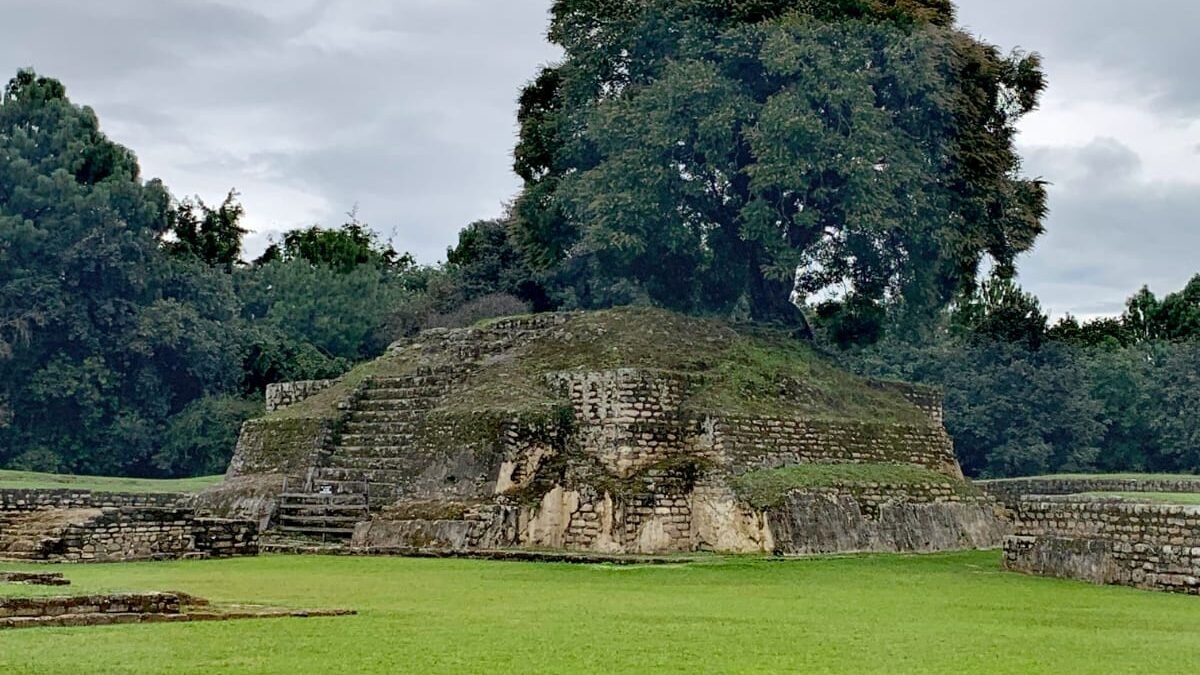
In the mountains of Chimaltenango, surrounded by forests of pine and cypress, lies the archaeological site of Iximché, the last capital of the Kaqchikel kingdom before the arrival of the Spanish conquerors. Walking among its plazas and temples is like traveling back to the 15th century, when this political, military, and spiritual center was the beating heart of one of the most powerful Maya nations of the central highlands.
Iximché is not merely a collection of ruins; it is a place where history, worldview, and identity of the native peoples remain alive. Its name, meaning “tree of maize”, reflects the deep bond the Kaqchikels had with maize as a symbol of life, nourishment, and spirituality.
Foundation and Splendor of the City
The story of Iximché begins around 1470 A.D., when the Kaqchikels decided to establish a new capital in a strategic location: a promontory surrounded by deep ravines that provided natural defense against their historical rivals, the Quichés. The city was founded by the Kaqchikel lords Hun-Toh and Vukubatz, who guided their people into a new era of prosperity and expansion.
Iximché quickly became a political and military hub. From here, alliances were forged, tributes were managed, and war campaigns were organized. Its location in Tecpán, at the heart of present-day Guatemala, allowed it to control trade routes connecting the highlands with the southern coast and the Maya lowlands.
Life in Iximché
As one walks through its plazas today, it is possible to imagine daily life in the city. The ceremonial plazas were communal gathering spaces where rituals, dances, and markets took place. The pyramidal temples rose majestically, covered with stucco painted in red, white, and black, representing the directions of the Maya universe.
The rulers lived in palaces built around the main courtyards, while priests and nobles conducted ceremonies at stone altars. The common people lived in perishable-material houses outside the central compounds, contributing with tributes, agricultural labor, and military service.
At the heart of the city was Plaza A, surrounded by temples that served as centers of devotion. There stood Temple 2 and Temple 3, twin structures in layout, dedicated to rituals of fire, the sun, and Kaqchikel patron deities. On their altars, offerings of copal were burned, and sacrifices were performed to maintain balance between humans, gods, and nature.
Spirituality and Worldview
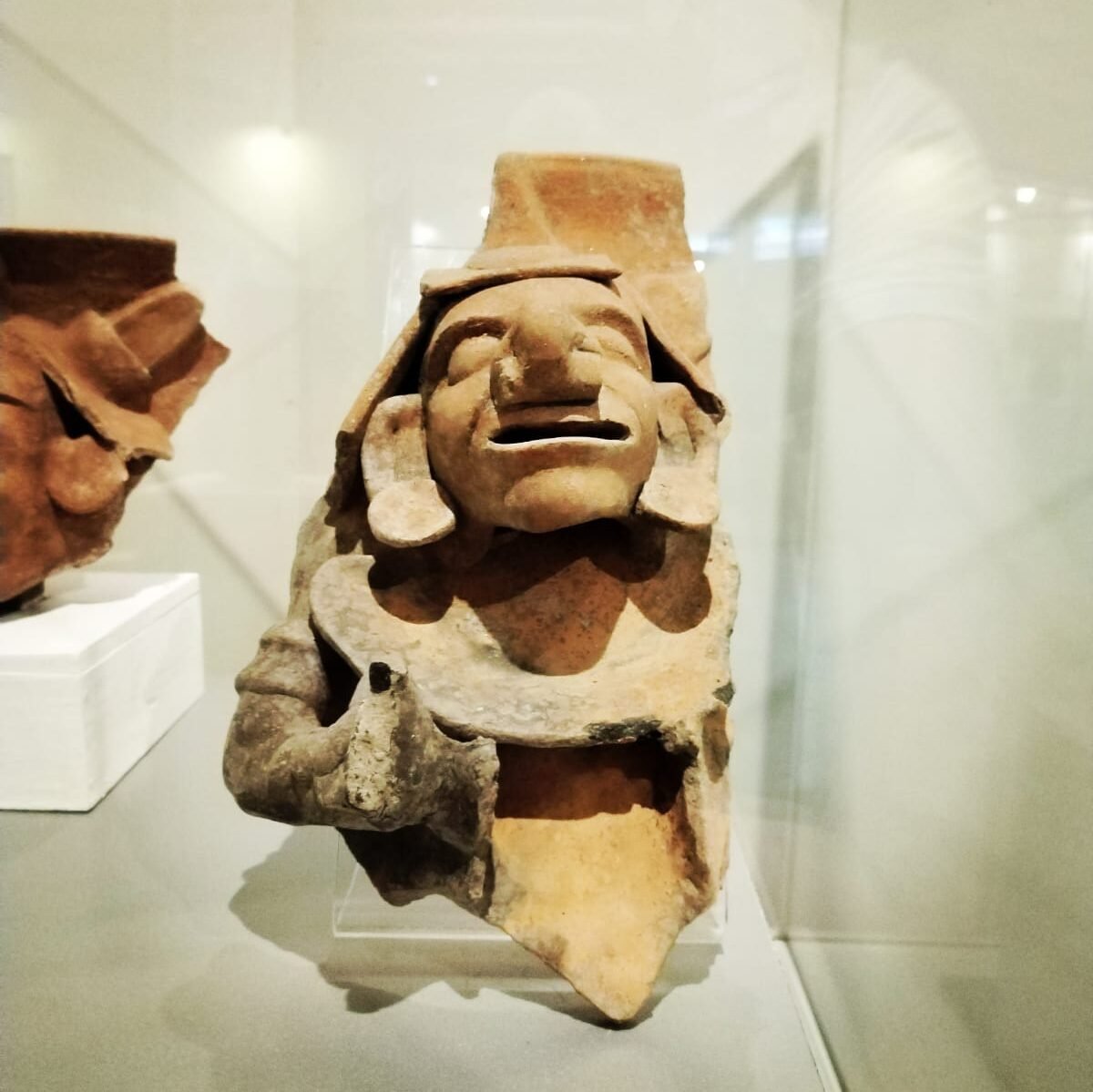
The Maya worldview was present in every corner of Iximché. The censers found in Temple 3, depicting elder gods and sacred serpents, highlight the importance of fire and the sun as vital forces. Ceremonies were closely tied to the sacred calendar, which guided agriculture, political decisions, and warfare.
For the Kaqchikels, Iximché was not only a political center but also the navel of the world—the place where the covenant with the gods was continually renewed.
The Arrival of the Spanish
In 1524, the conquerors led by Pedro de Alvarado came into contact with the Kaqchikels. At first, they were received as allies in the struggle against the Quichés. Chronicles recount that the Spaniards established their first camp at Iximché, recognizing the city’s strategic importance.
However, relations soon deteriorated. Excessive demands for tribute, violence, and cultural differences led to a Kaqchikel rebellion. The people abandoned the city and sought refuge in the mountains. By 1527, Iximché was burned and abandoned, marking the end of its splendor.
Iximché Today: A Living Memory
Declared a National Monument in 1960, Iximché is today one of Guatemala’s most visited archaeological sites. Its plazas, temples, and altars welcome both national and international tourists, who can stroll through its forested trails and feel the energy that still lingers in the place.
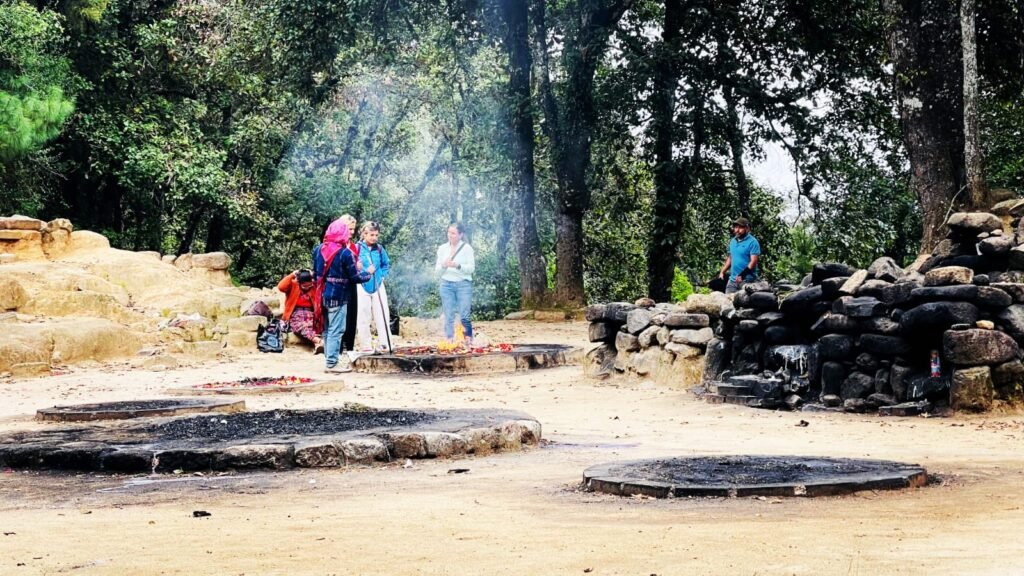
Yet Iximché is not merely a silent ruin. For contemporary Maya communities, it remains a sacred site, where ancestral ceremonies with fire, candles, flowers, and copal continue to be performed. These rituals keep the Kaqchikel spirituality alive and allow visitors to witness a tradition that has endured the passage of centuries.
Tourist Experience
Visiting Iximché is a unique experience that blends history, culture, and spirituality:
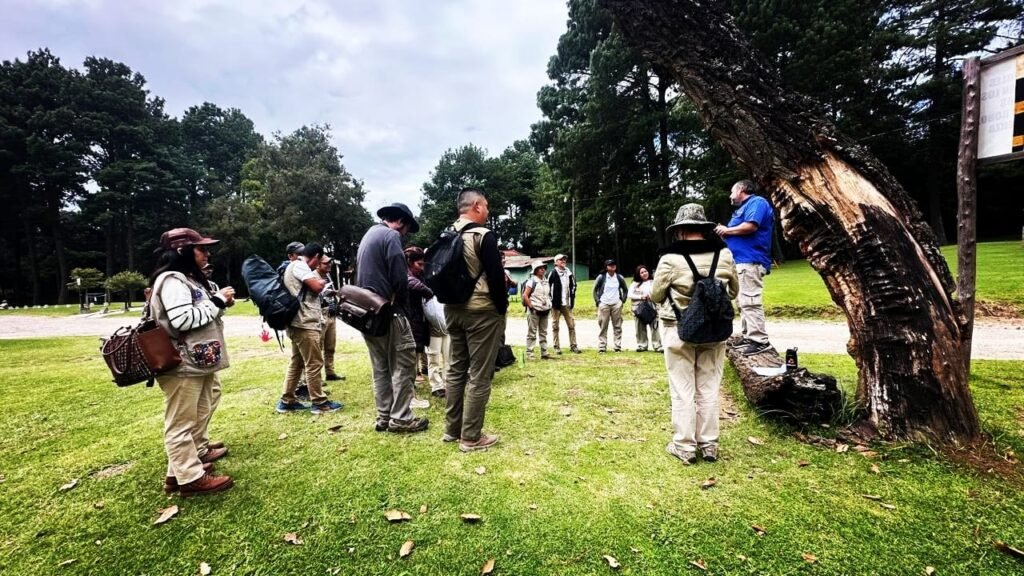
- Guided tours: Local guides narrate the city’s history, its temples, and the daily life of the Kaqchikels.
- On-site museum: Exhibits censers, vessels, and objects unearthed during excavations, providing insight into ritual complexity.
- Maya ceremonies: Traditional rituals are still performed at the altars, which visitors may respectfully attend.
- Nature: The mountainous and forested surroundings make the park an ideal place for contemplation and connection with the earth.
Final Reflection
Iximché is far more than an archaeological site. It is a bridge between past and present, a testimony to the grandeur of the Maya civilization, and a living space where indigenous peoples continue to honor their gods and ancestors.
Walking through its plazas is to hear the echo of drums, the murmur of prayers, and the whisper of history still alive among the stones. At every lit altar, in every ceremony, Iximché reminds us that maize remains the root of humanity, and that Guatemala’s identity is sustained by the memory of its people and its land.
The Blood of Kings (1995)
Bibliography
The information presented about the archaeological site of Iximché is based on recognized research and sources, including: the chronicles of Pedro de Alvarado and Domingo Juarros, which document the first contacts with the Kaqchikels; the studies of Adrián Recinos in Popol Vuh and Annals of the Kaqchikels, essential for understanding worldview and oral history; the archaeological research of Jorge Guillemin and Robert Carmack, who analyzed the political and social organization of the highland Maya kingdoms; the publications of the Instituto de Antropología e Historia de Guatemala (IDAEH), responsible for the site’s conservation; and the work of Linda Schele and Mary Ellen Miller, which provide a comprehensive vision of Maya iconography and symbolism in contexts such as Iximché.
Recommended Sources with Links and Explanation
- The Annals of the Cakchiquels (Anales de los Cakchiqueles)
A fundamental text documenting the history, mythology, and migrations of the Kaqchikel people, including the founding of Iximché.
Access the text on Project Gutenberg:
https://www.gutenberg.org/ebooks/20775.epub.images - Memorial de Sololá, Anales de los Cakchiqueles (translation by Adrián Recinos)
A contemporary edition translated into Spanish by Adrián Recinos, with cultural notes and commentary.
Available on Google Books:
https://books.google.com/books/about/Memorial_de_Solol%C3%A1_Anales_de_los_cakchi.html?id=Kp4WAAAAYAAJ
Available on Internet Archive:
https://archive.org/details/memorialdesolola0000unse - The Ancient Cakchiquel Capital of Iximché (Penn Museum)
An archaeological essay that explores the origins of Iximché and its historical context, including the conflict with the K’iche’.
Access the article online via Penn Museum:
https://www.penn.museum/sites/expedition/the-ancient-cakchiquel-capital-of-iximche/ - IDAEH – Institute of Anthropology and History of Guatemala
The official institution responsible for the protection, conservation, and research of archaeological sites such as Iximché.
Wikipedia (Spanish):
https://es.wikipedia.org/wiki/Instituto_de_Antropolog%C3%ADa_e_Historia_de_Guatemala
Wikipedia (English):
https://en.wikipedia.org/wiki/Instituto_de_Antropolog%C3%ADa_e_Historia - The Blood of Kings: Dynasty and Ritual in Maya Art – Linda Schele & Mary Ellen Miller
A key illustrated work on Maya iconography, symbolism, and rituals, with interpretive applications for sites like Iximché.
Access the digital monograph on USF repository:
https://digitalcommons.usf.edu/kip_monographs/291/
Google Books:
https://books.google.com/books/about/The_Blood_of_Kings.html?id=lYVqAAAAMAAJ