Flowers of the Highlands: Wild and Cultivated Blooms in the Mountains of Antigua Guatemala
Walking through the mountains and hills surrounding Antigua Guatemala is more than a scenic hike—it is an encounter with living color, fragrance, and history. In places like El Hato, where pine forests, open hillsides, and cultivated land meet, a surprising variety of flowers thrive thanks to the cool climate, volcanic soil, and seasonal rains.
Along these mountain trails, local guides often point out plants by their most familiar Guatemalan names, passed down through generations. Below, we explore some of the most beautiful flowers commonly found in the highlands of Antigua, sharing both their natural characteristics and the quiet poetry they bring to the landscape.
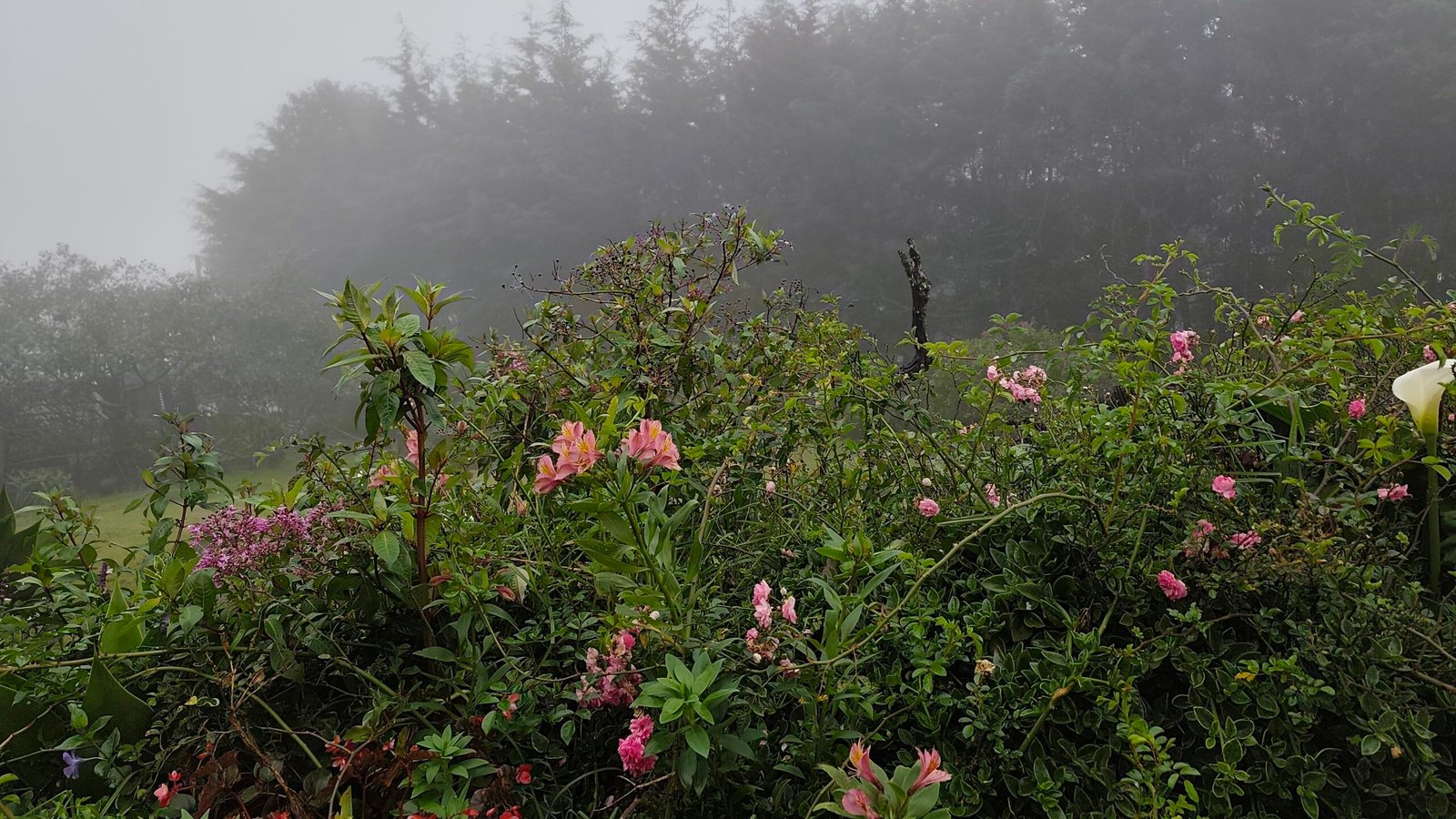
Lirio de los Incas (Alstroemeria)
Scientific name: Alstroemeria
The Lirio de los Incas is a resilient mountain flower known for its vibrant colors and delicate striped petals. Native to South America, it adapts beautifully to the cool highland climate around Antigua. This flower symbolizes friendship and devotion, often blooming along paths and gardens near forest edges.
Poetic note:
Its petals look hand-painted by the mountain mist—soft, colorful, and quietly strong, like the people who have lived in these hills for centuries.
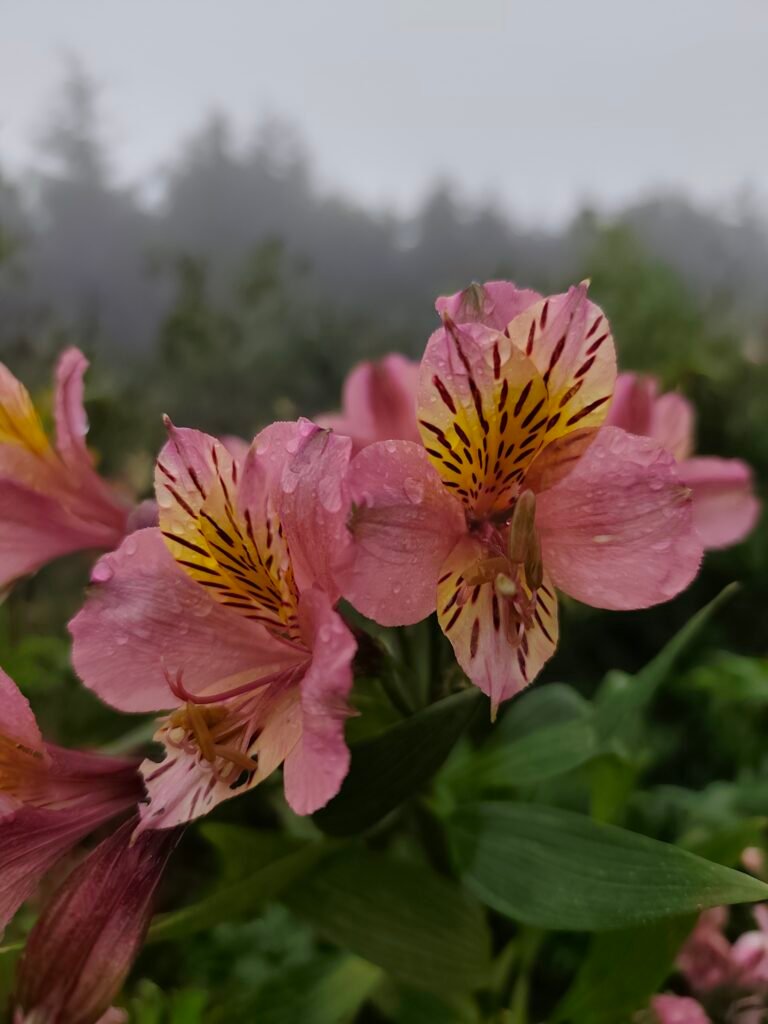
Milamores / Valeriana Roja (Centranto)
Scientific name: Centranthus
Known locally as Milamores, this flower grows easily on rocky slopes and old stone walls. With clusters of small red or pink blooms, it attracts butterflies and thrives where little else can. Traditionally associated with calmness and balance, it has long been admired for both its beauty and resilience.
Poetic note:
Milamores blooms where the earth seems least generous, reminding us that beauty often rises from the simplest places.
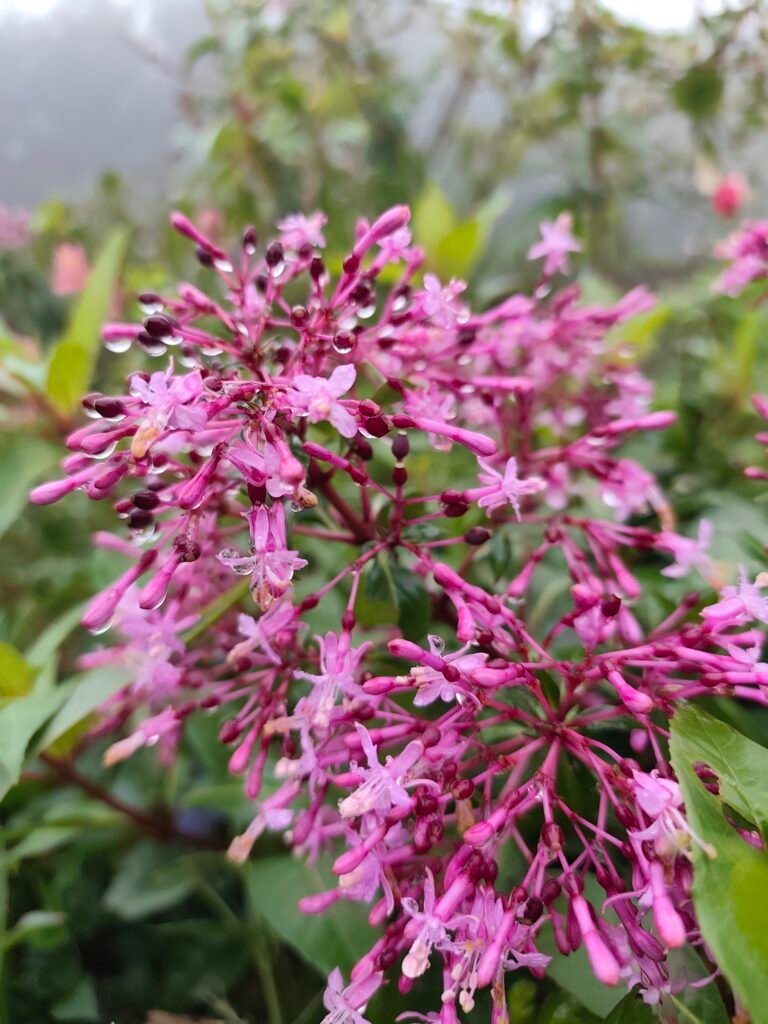
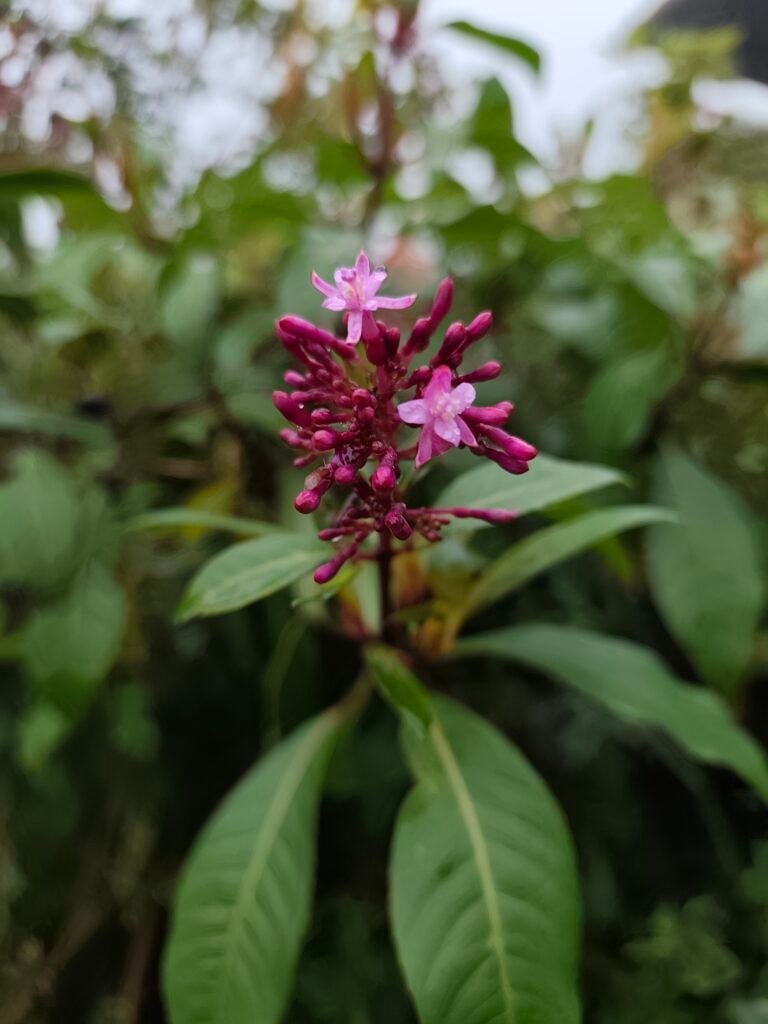
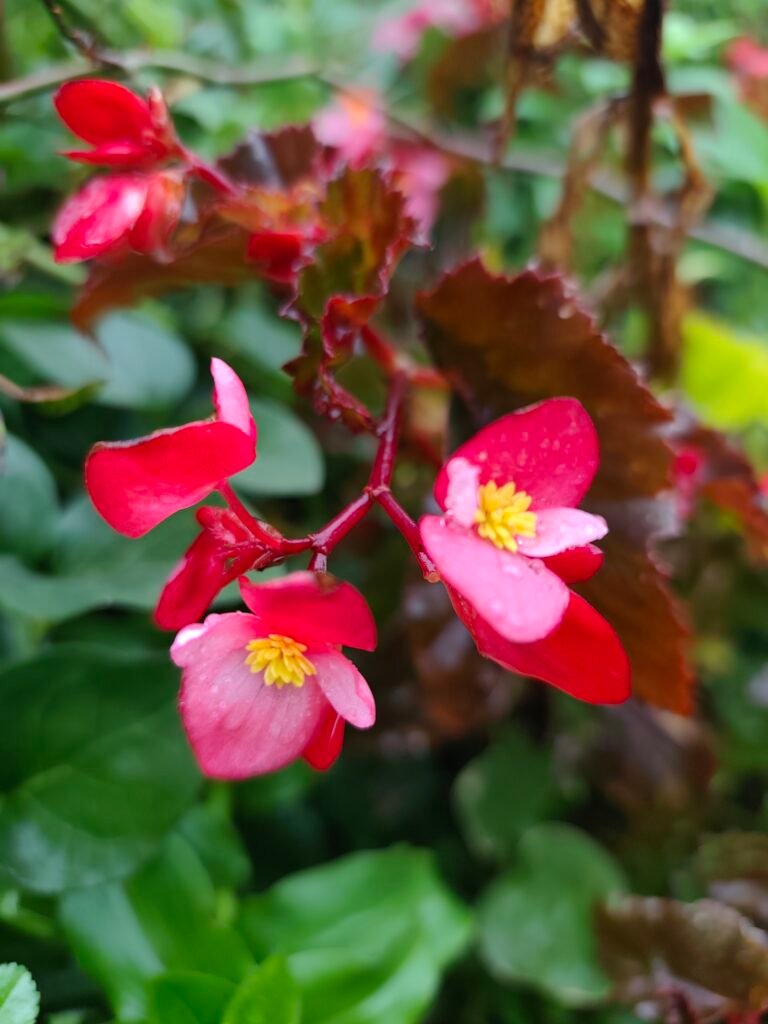
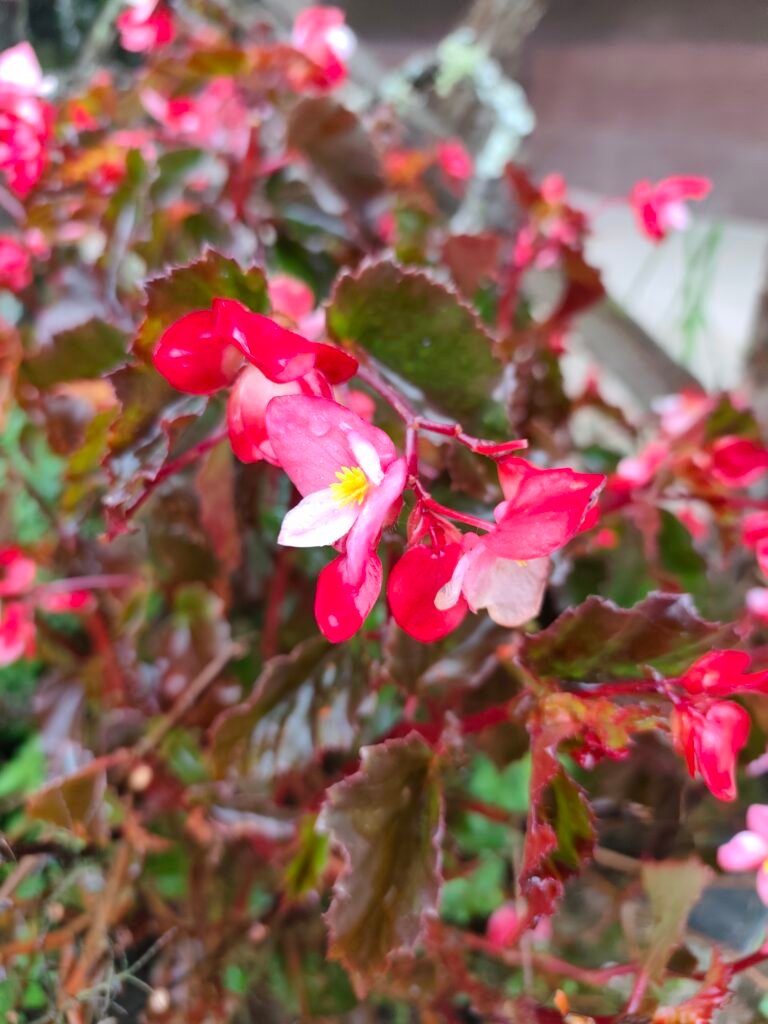
Begonias / Flor de Nácar (Begonia)
Scientific name: Begonia
Begonias love shaded areas and moist soil, making them common along forest trails and near water sources. Their asymmetrical leaves and soft flowers reflect light like mother-of-pearl, which is why they are sometimes called Flor de Nácar.
Poetic note:
These flowers whisper rather than shout—fragile, luminous, and perfectly at home in the shadow of the mountains.
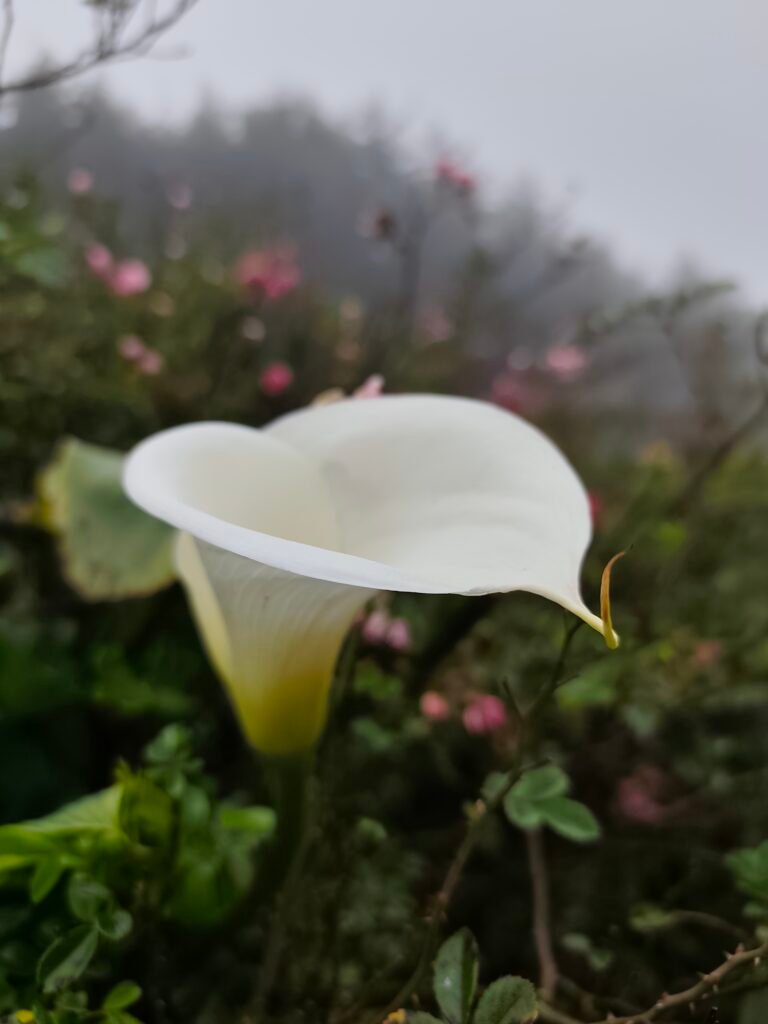
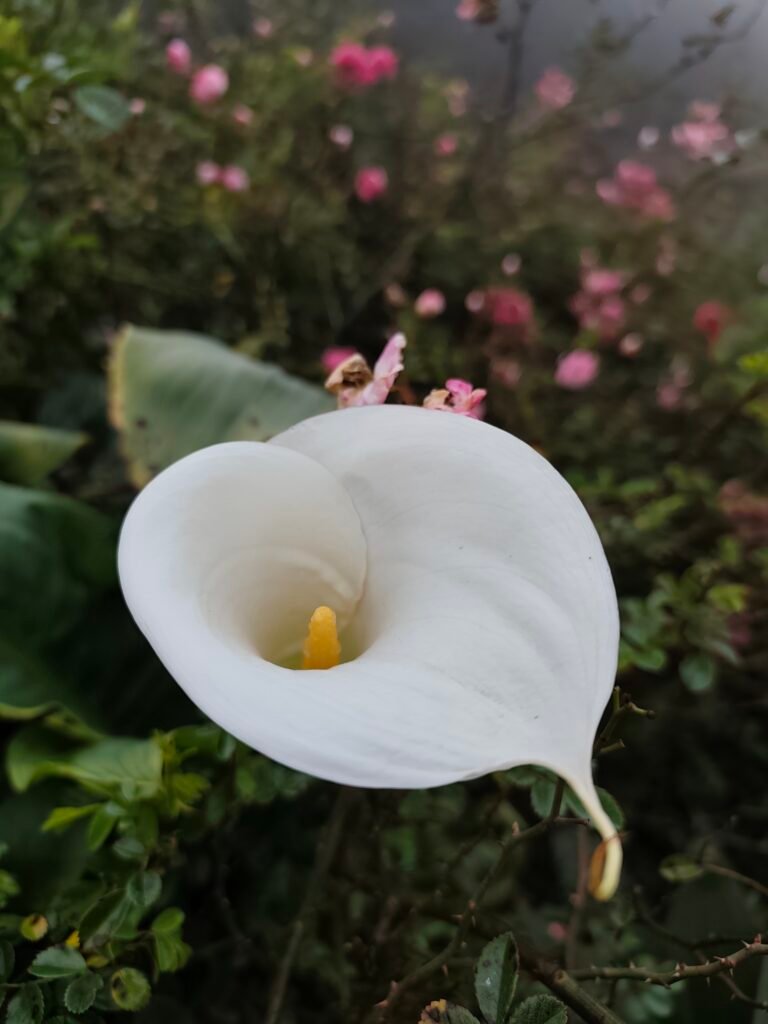
Cartucho / Alcatraz (Calla Lily)
Scientific name: Zantedeschia (Calla)
The Cartucho, or Calla Lily, grows in cool, humid environments and is instantly recognizable by its elegant, trumpet-shaped bloom. Often found near streams or cultivated plots, it represents purity and quiet strength.
Poetic note:
Standing tall and graceful, the cartucho looks like a white candle lit by the mountain air.
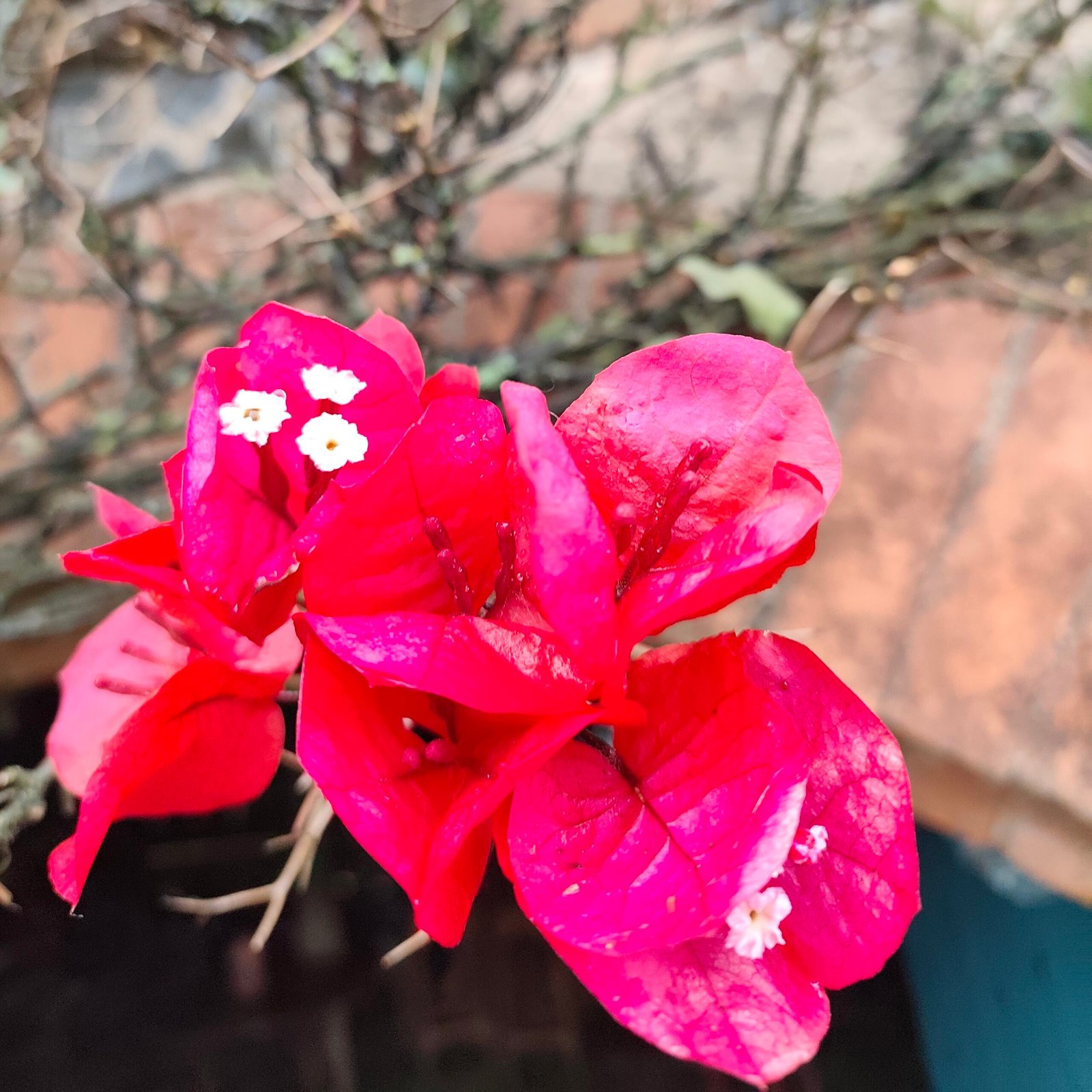
Bougainvillea (Bougainvillea)
Scientific name: Bougainvillea
Though often associated with warmer climates, bougainvillea thrives in the sunlit slopes around Antigua. Its bright bracts—purple, pink, red, or orange—cascade over stone walls and fences, adding bold color to the landscape.
Poetic note:
Bougainvillea does not bloom softly—it celebrates life with fearless color against volcanic stone and blue skies.
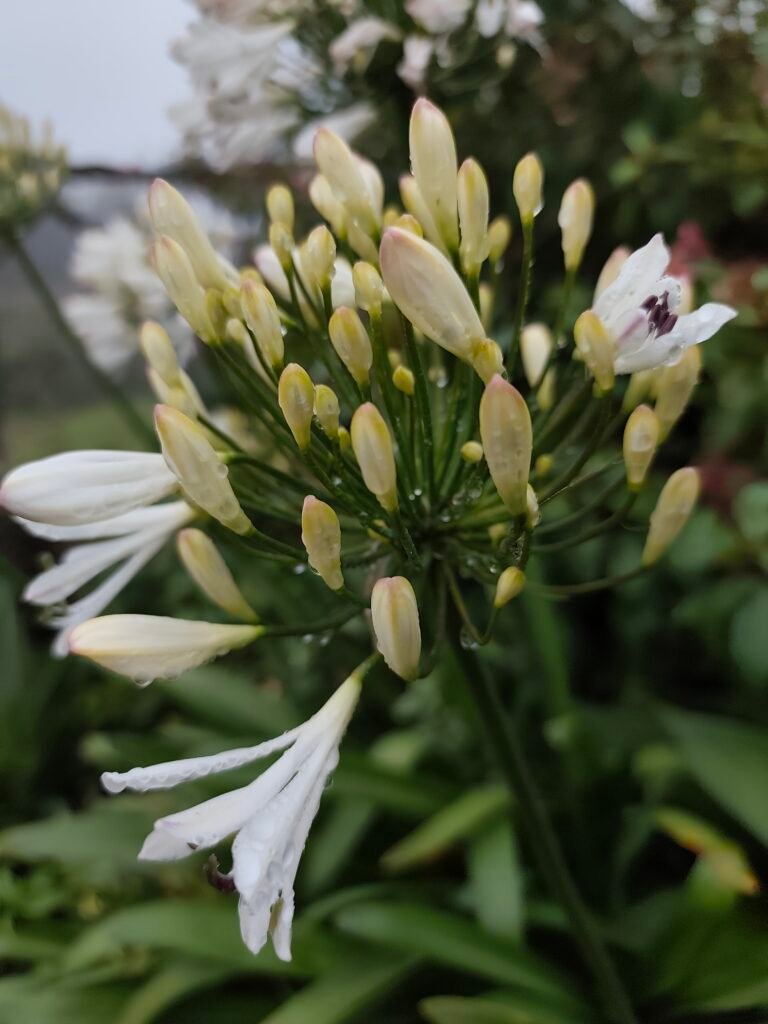
Lirio Africano (Agapanthus)
Scientific name: Agapanthus
The African Lily grows in clusters, producing tall stems topped with spherical blooms of blue or white. It adapts well to Antigua’s climate and is often found in open areas with good sunlight.
Poetic note:
Each bloom feels like a quiet firework—disciplined, elegant, and perfectly timed with the rhythm of the mountains.
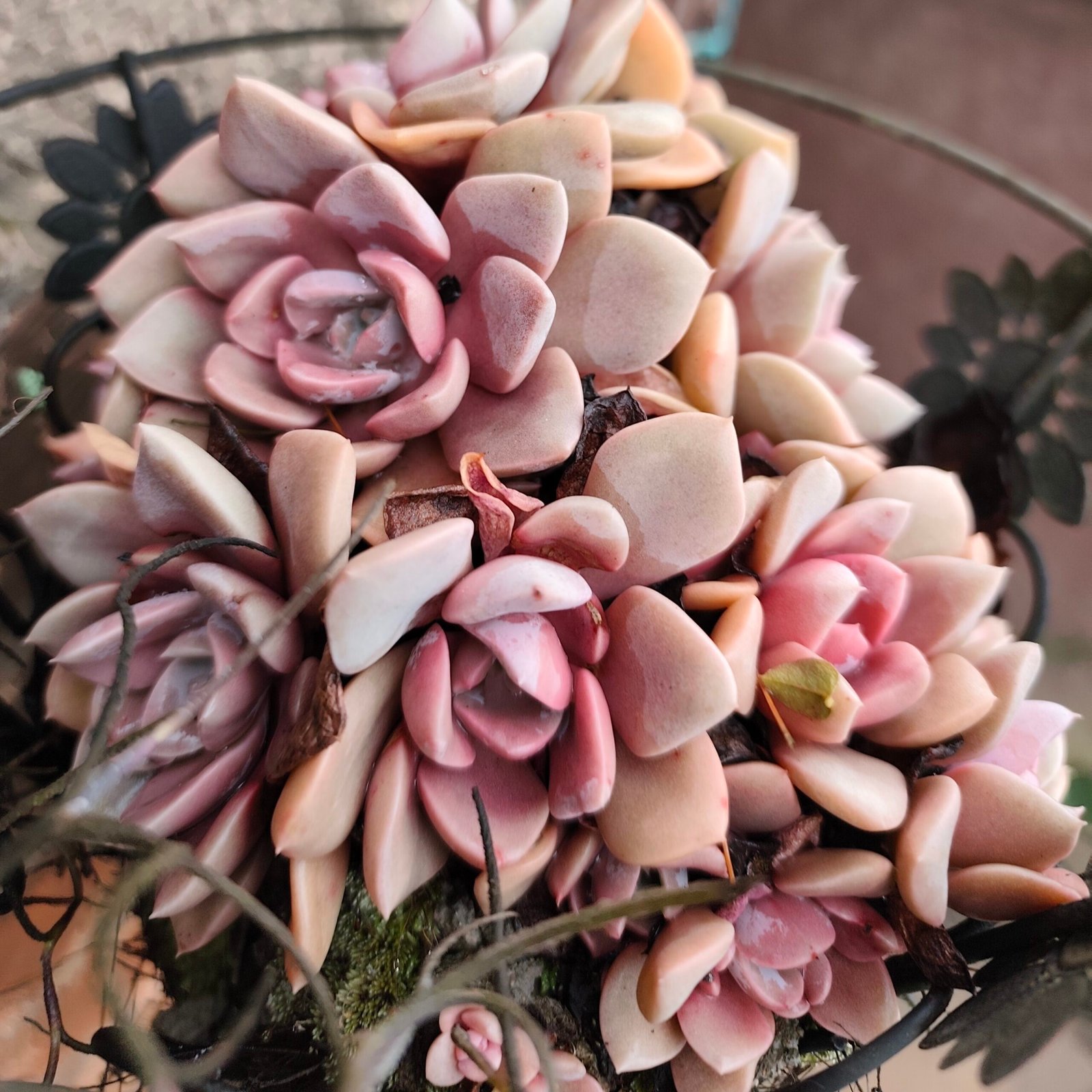
Debbie Succulent (Graptoveria ‘Debbie’)
Scientific name: Graptoveria
This succulent is a hybrid plant valued for its thick, pastel-colored leaves. Found in gardens and rocky soils, it stores water to survive dry periods, making it ideal for highland environments.
Poetic note:
Its soft purple tones reflect sunrise and sunset, holding the colors of the sky within its leaves.
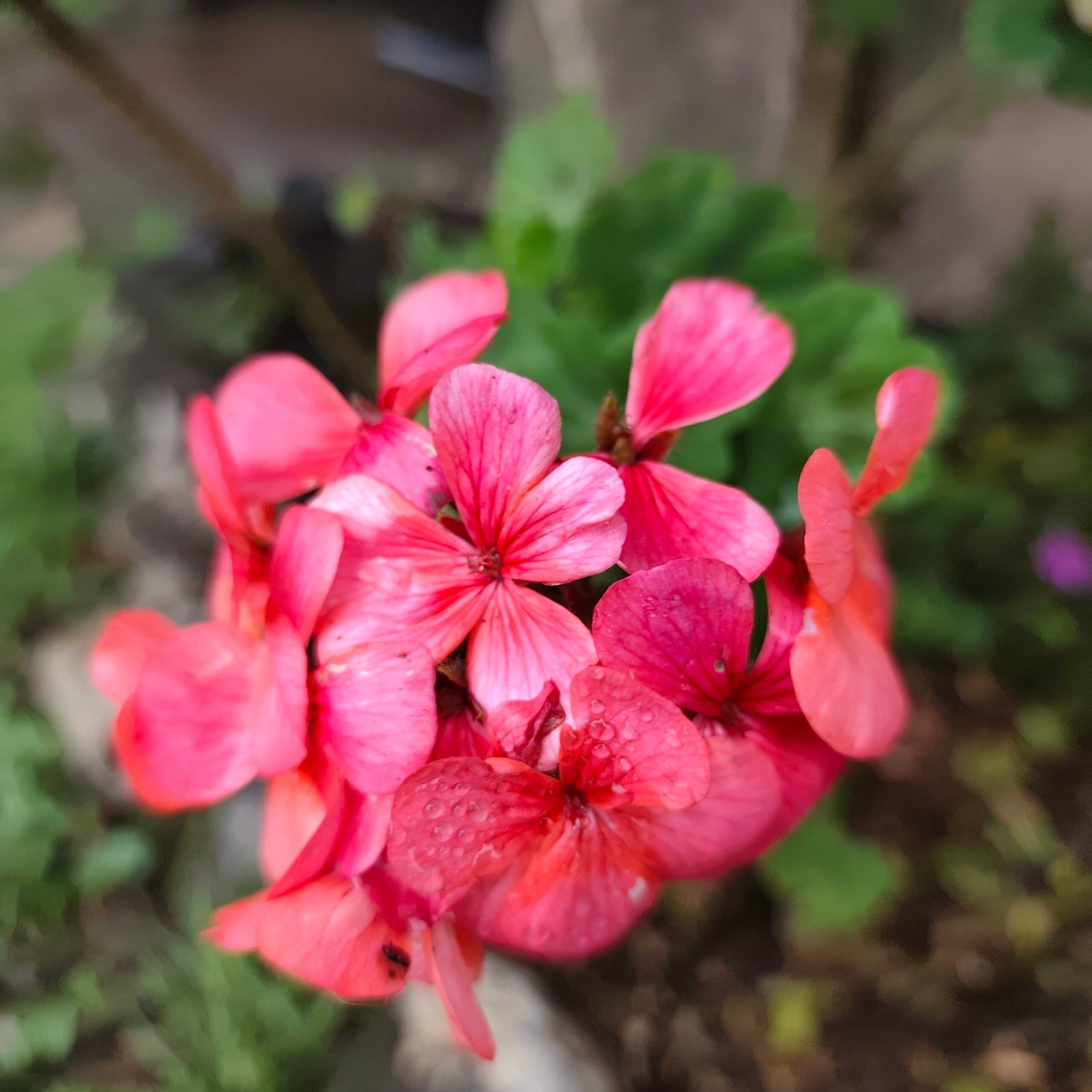
Geranium (Geranium)
Scientific name: Geranium
Geraniums are common in mountain homes and along trails, known for their fragrant leaves and bright flowers. They are often used traditionally to repel insects and add color to gardens.
Poetic note:
Geraniums feel familiar and welcoming—like a warm window glowing softly in the cool mountain evening.
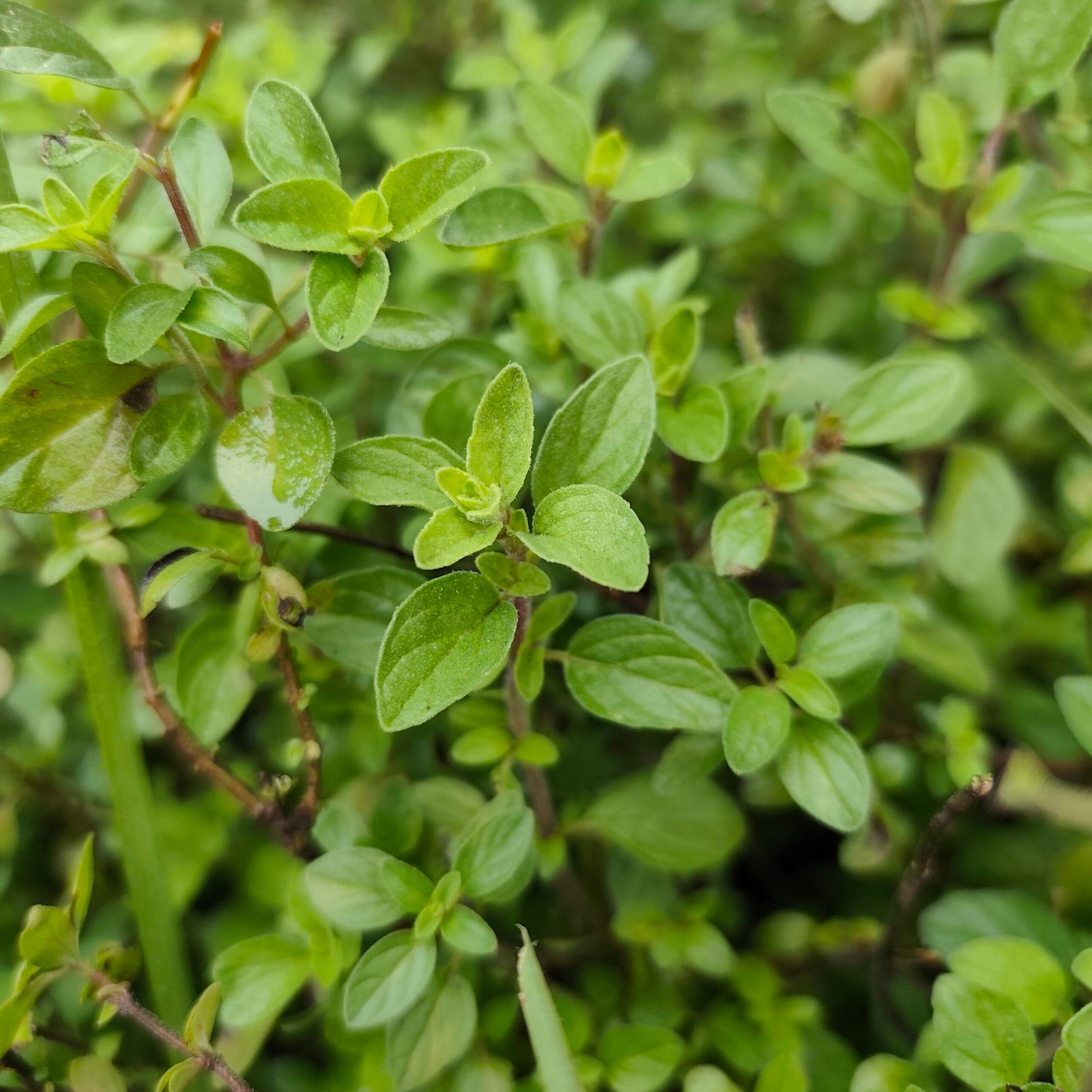
Orégano (Oregano)
Scientific name: Origanum
Oregano grows naturally in sunny, well-drained areas. Beyond its culinary importance, it produces small, delicate flowers that attract pollinators and add subtle beauty to the hillsides.
Poetic note:
Its scent drifts through the air like a memory—earthy, warm, and deeply connected to home and tradition.
Caña de Pescar de Ángel (Angel’s Fishing Rod)
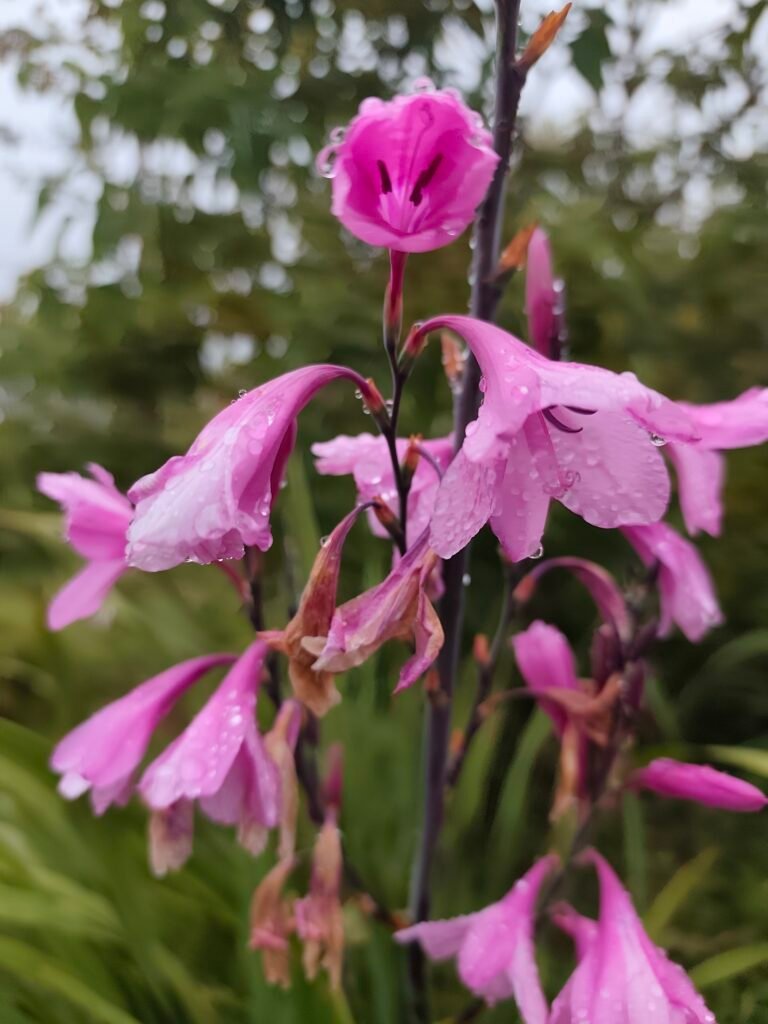
Scientific name: Dierama
This elegant plant produces long, arching stems with bell-shaped flowers that sway in the wind. It thrives in cool, mountainous regions and is especially striking when seen against open skies.
Poetic note:
As it dances with the breeze, it feels as if the mountains themselves are breathing.
Protecting the Beauty of Antigua’s Highlands
These flowers are more than decoration—they are part of a delicate ecosystem shaped by volcanic soil, altitude, climate, and centuries of coexistence between nature and people. Responsible tourism plays a key role in protecting these environments.
When visiting the mountains of Antigua:
- Stay on marked trails
- Avoid picking flowers or disturbing plants
- Support local guides and sustainable tourism projects
- Respect the natural rhythm of the land
By caring for these landscapes, we ensure that future generations can continue to walk these paths, breathe these scents, and witness the quiet poetry of flowers blooming in the highlands of Antigua Guatemala.
Nature here is not just seen—it is felt.
If you are passionate about flowers, nature walks, and capturing delicate details through your lens, we invite you to explore the mountains of Antigua Guatemala with us. Our guided tours are designed for travelers, photographers, and nature lovers who want to discover unique blooms, learn their stories, and experience the landscape at a relaxed and inspiring pace. 🌸📷
Book your tour today:
🌐 jaguarnegro.travel
📩 info@jaguarnegro.travel
📱 WhatsApp: +502 4904-6081
Let the mountains bloom before your eyes—and your camera.
Photography by Jose Aguirre © 2025. All rights reserved.