
San Antonio Aguas Calientes: Memory, Textiles, and Life Between Volcanoes
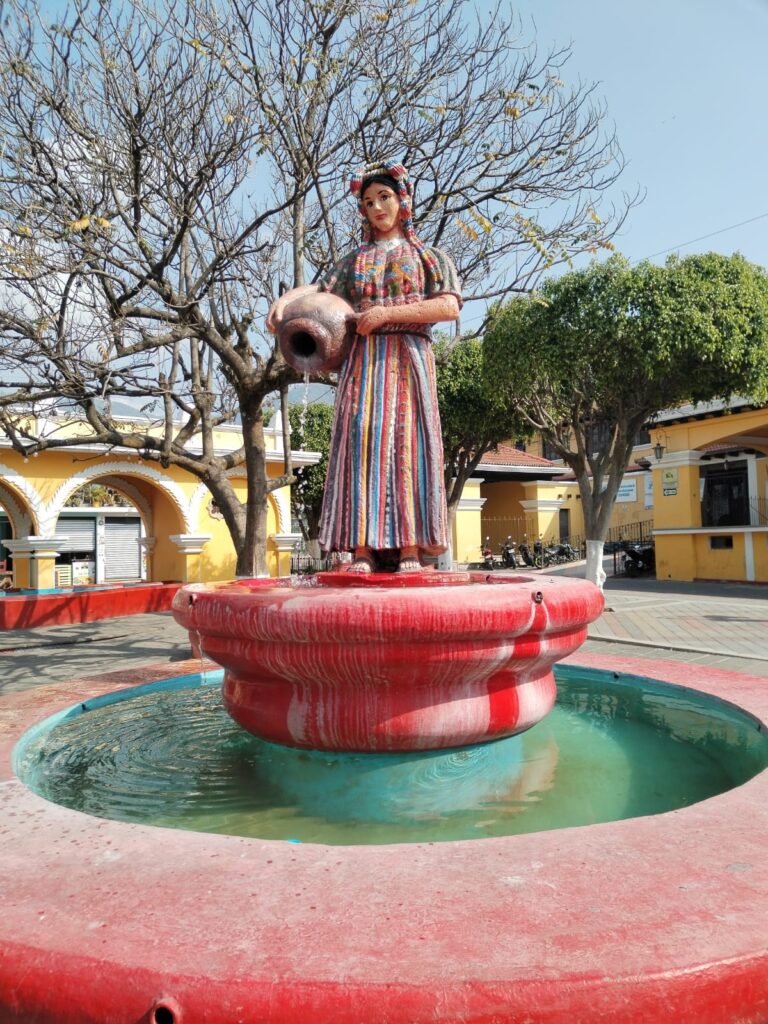
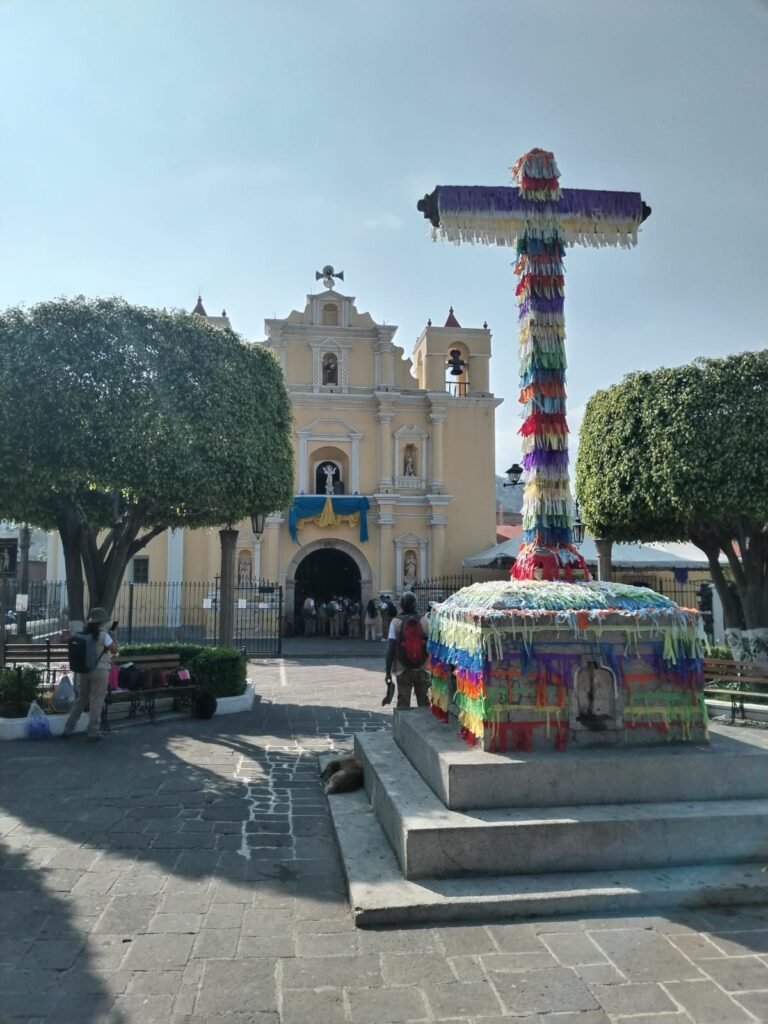
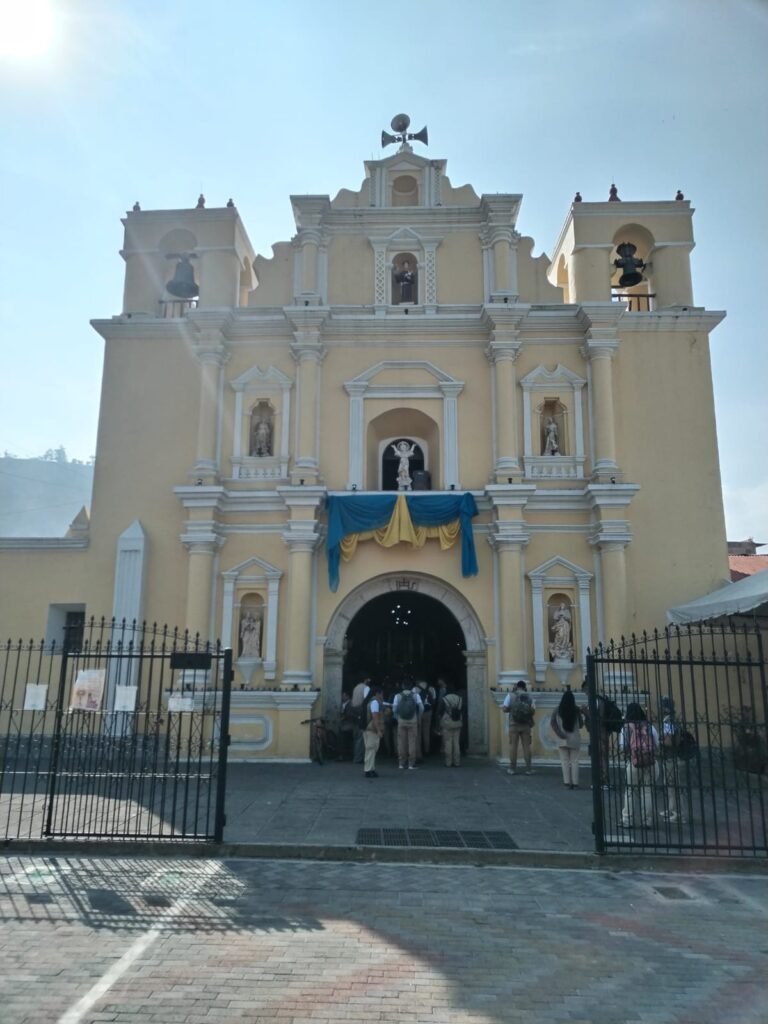
Just a few minutes from Antigua Guatemala, on a hillside facing the iconic Volcán de Agua, lies San Antonio Aguas Calientes: a small municipality in size but vast in human and cultural heritage. Its landscape, people, and trades form a microcosm of living Guatemala—where ancestral weaving practices, gastronomy, and archaeological preservation coexist with community tourism initiatives and conscious craftsmanship.
General Overview: Place, People, and Landscape
San Antonio Aguas Calientes is a municipality in the department of Sacatepéquez, with an urban population of around ten thousand inhabitants according to recent censuses. Its proximity to Antigua makes it a natural extension of the region’s colonial and tourist life, yet it maintains its own identity centered on textile work and local agricultural traditions. The Volcán de Agua dominates the horizon and shapes both the climate and the history of the valley.
Brief History and Weaving as an Identity Axis
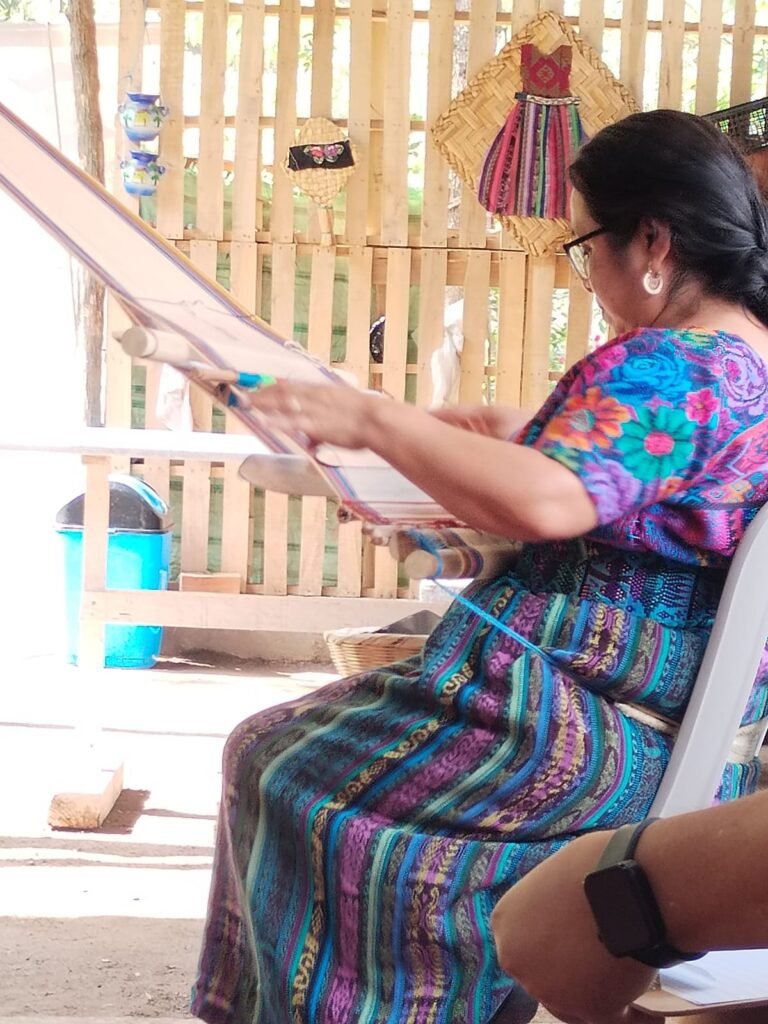
Historically, the area has been a corridor for local trade and exchange; records and the continuity of textile techniques indicate centuries of production and circulation of goods and knowledge. San Antonio is also renowned for its weavers and its traditional two-level market where huipiles, cortes, tzutes, and other textile products are exhibited and sold—many weavers still work on backstrap looms, demonstrating their craft to visitors. This textile component is not only economic but also the symbolic heart of the community.
Festivities and Community Life
Patron saint celebrations—including the fair in honor of San Antonio de Padua—and other religious and community festivities mark the local calendar, attracting both residents and visitors from the region. These celebrations are moments where tradition, dance, gastronomy, and traditional clothing shine in all their splendor, reinforcing local identity and offering opportunities for responsible cultural tourism.
Experiences in San Antonio Aguas Calientes: Field Tour and Activities
Below is a detailed account of each local initiative that forms the fabric of the tourist experience in the town.
1. NOBI — Shop-Workshop of Ancestral Products
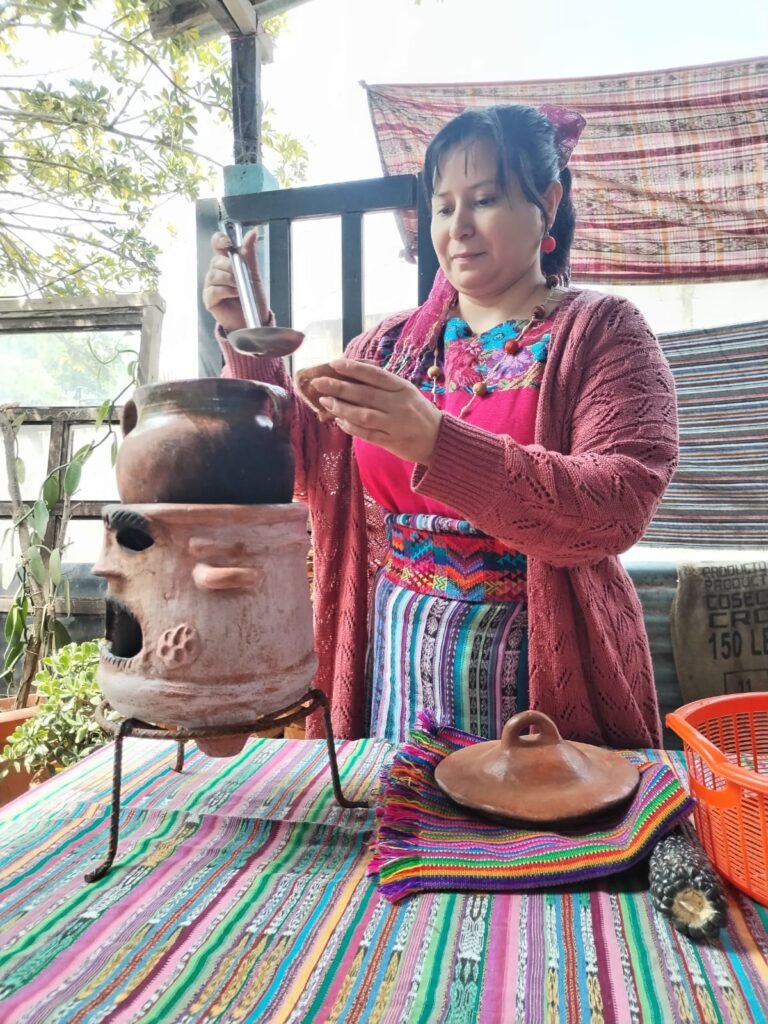
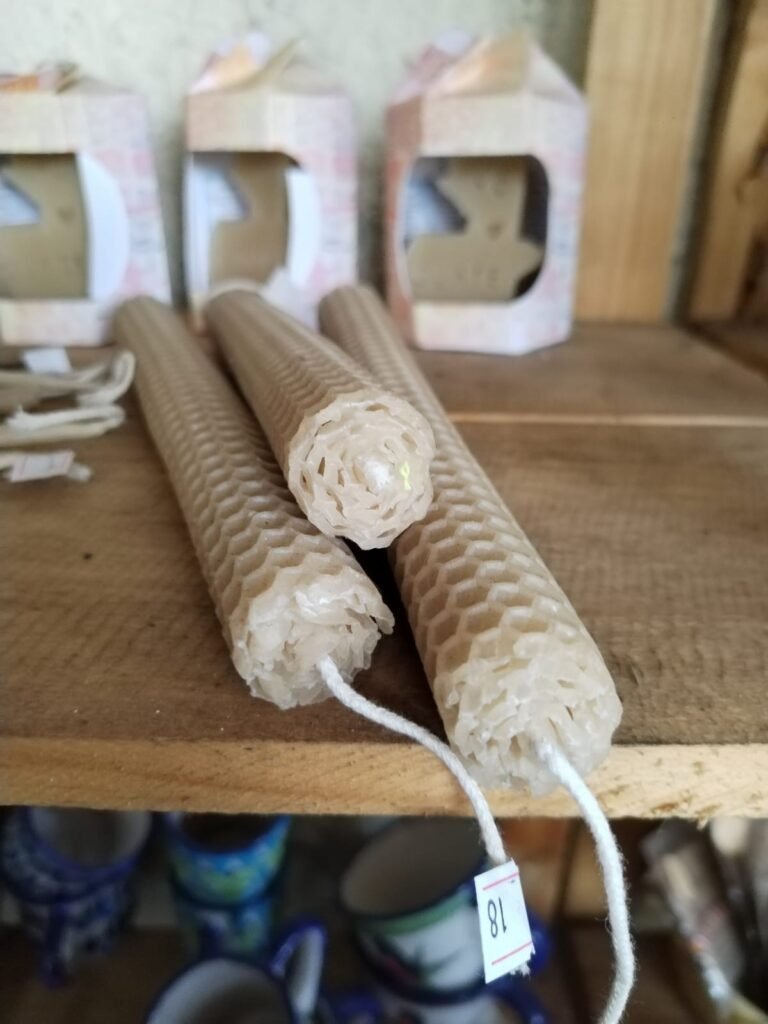
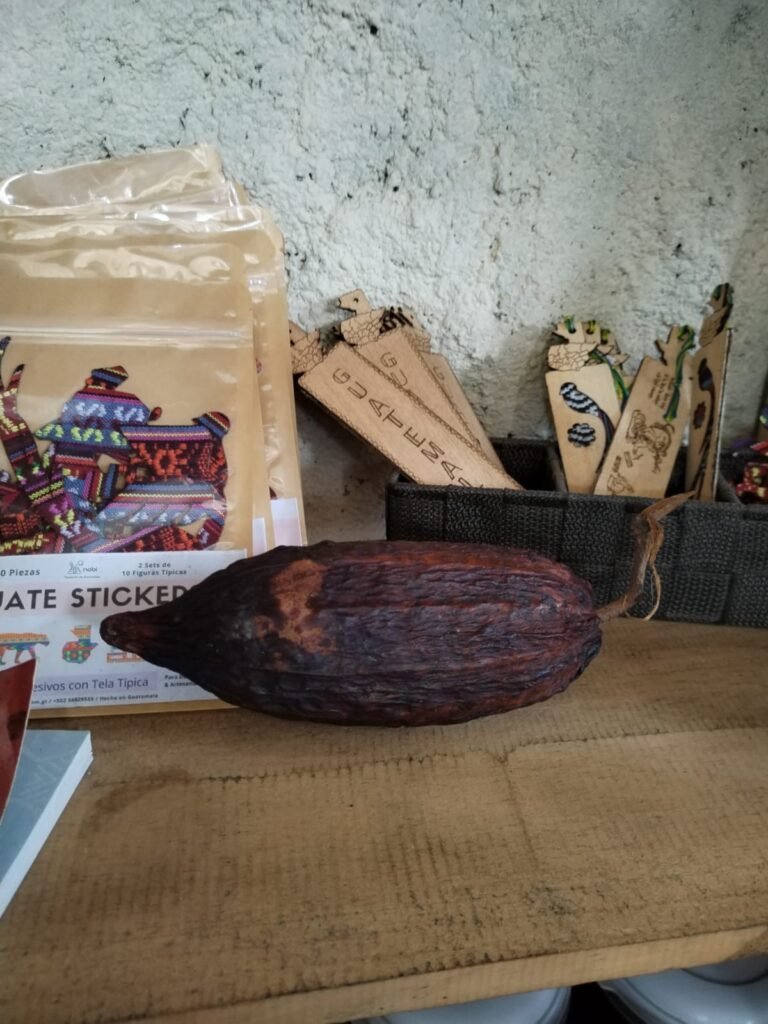
NOBI operates as a hybrid space: shop, workshop, and experience center. Its proposal is based on the Maya worldviewand pre-Hispanic products: ceremonial cacao, native vanilla, amaranth, allspice, and ferments such as kombucha and mead. The brand works directly with local farmers (vanilla planifolia, cardamom, etc.), prioritizes fair prices, and collaborates with community tourism projects and organizations such as JICA and the Peace Corps. Workshops include ceremonial cacao preparation, making rellenitos, crafting candles with natural wax, and tastings that connect visitors with agricultural and ancestral ritual practices. NOBI’s model is a concrete example of experiential tourism that generates local value and educates about sustainable practices.
Sustainability Relevance: NOBI shows how the direct use of short supply chains (producer → workshop → visitor) contributes to better incomes for farmers and artisans, minimizes intermediary costs, and promotes local knowledge.
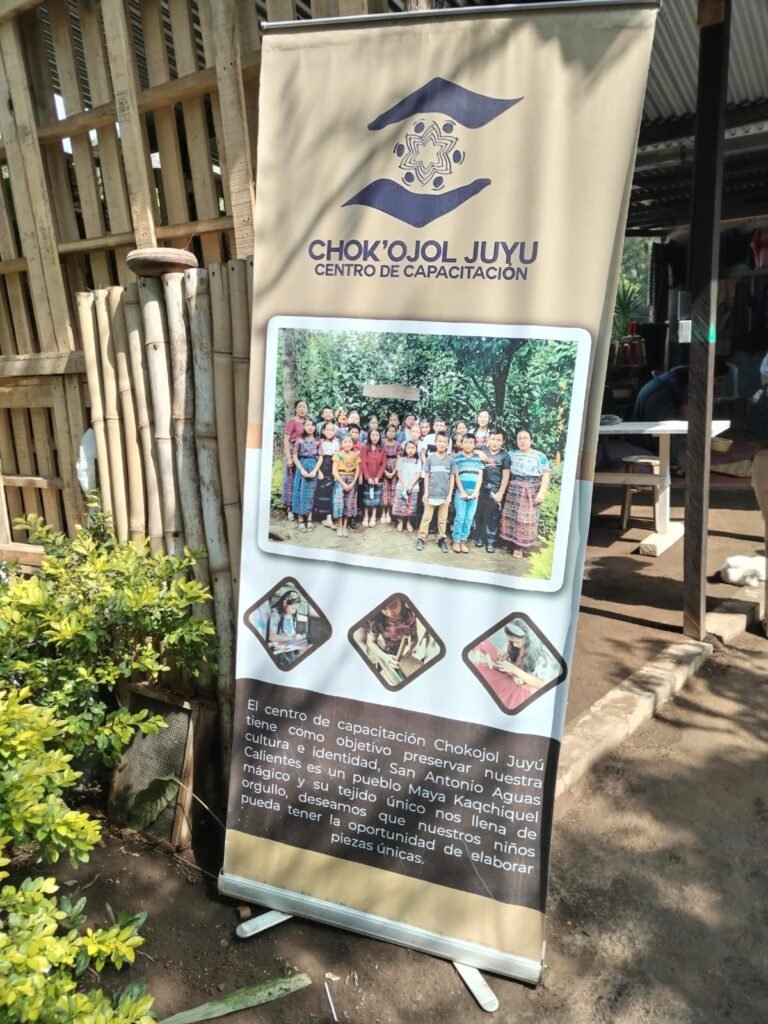
2. Chok’Ojol Juyu — Weaving School for Children
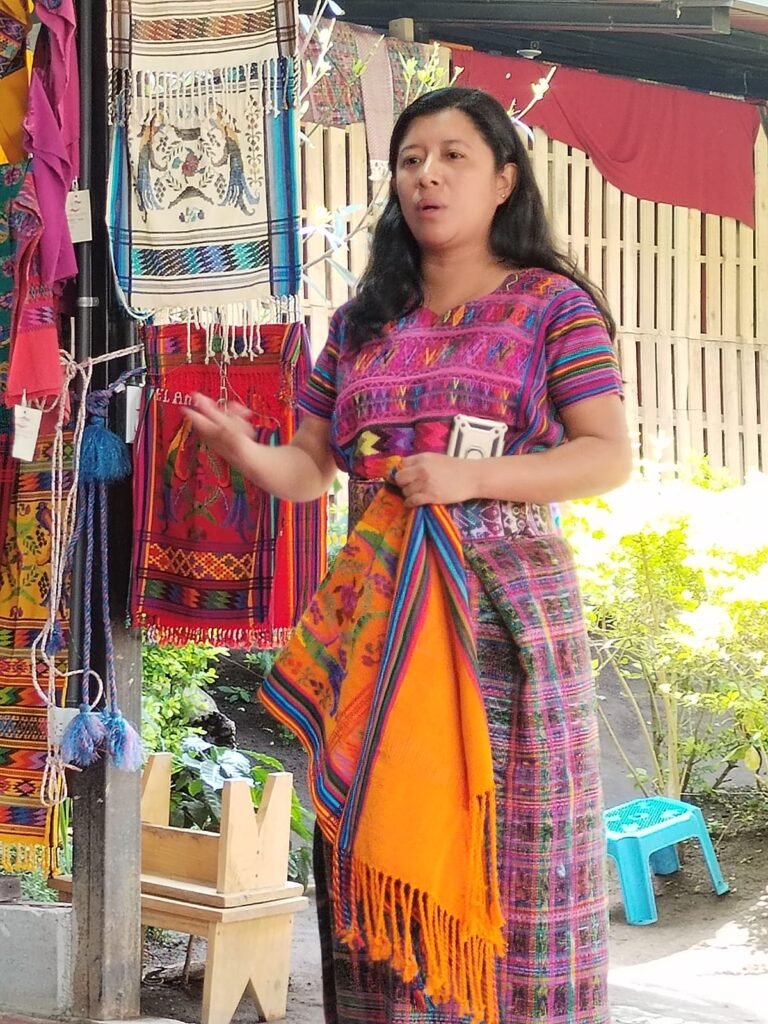
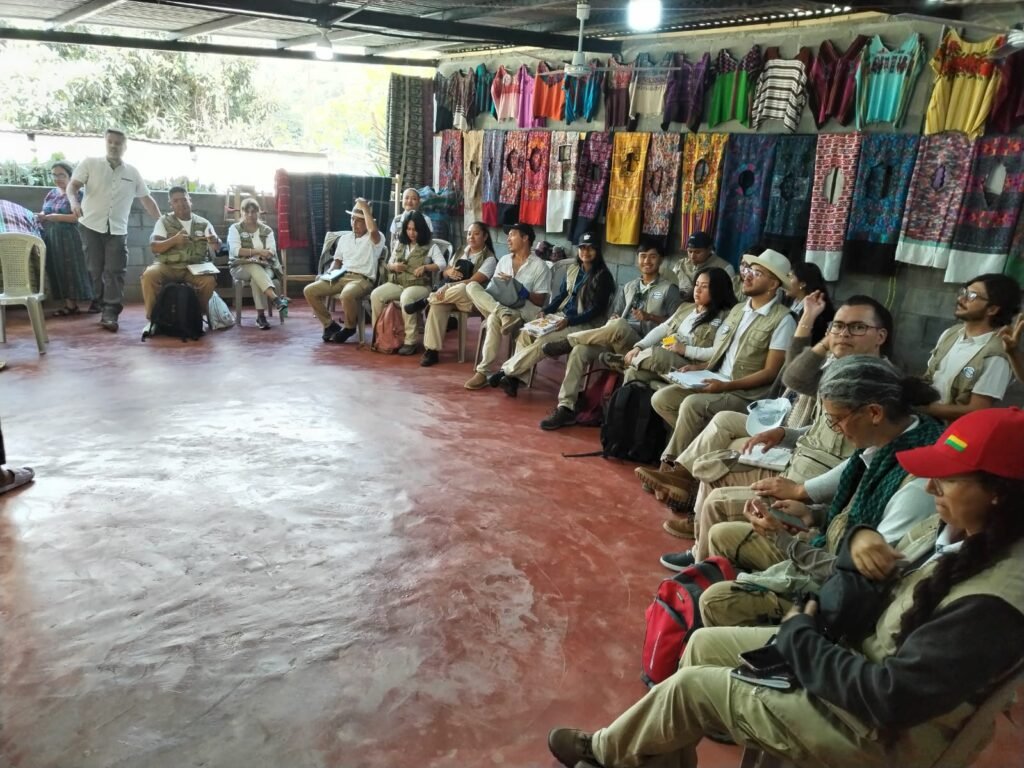
Cho Ko Jol Juyu—“between hills and mountains”—is an educational and cultural initiative that operates on Saturdays, welcoming about 15 children per session. Sustained by sales from the adjoining shop, the school revives “lost” designs and trains new generations in traditional techniques: tzutes, huipiles, and embroideries such as the “perfect double weave.” Led by Mili, Rosalinda, and Wendy, the project not only teaches skills but also strengthens identity and self-esteem in the face of discrimination processes that have led some generations to abandon traditional attire. This school is a clear example of how local cultural education is essential for heritage continuity.
Sustainability Relevance: Investing in local cultural education prevents the loss of knowledge and fosters community empowerment; each sale at the shop helps sustain the school and pay teachers and materials.
3. Casa Museo San Andrés Ceballos — Local Archaeological Heritage
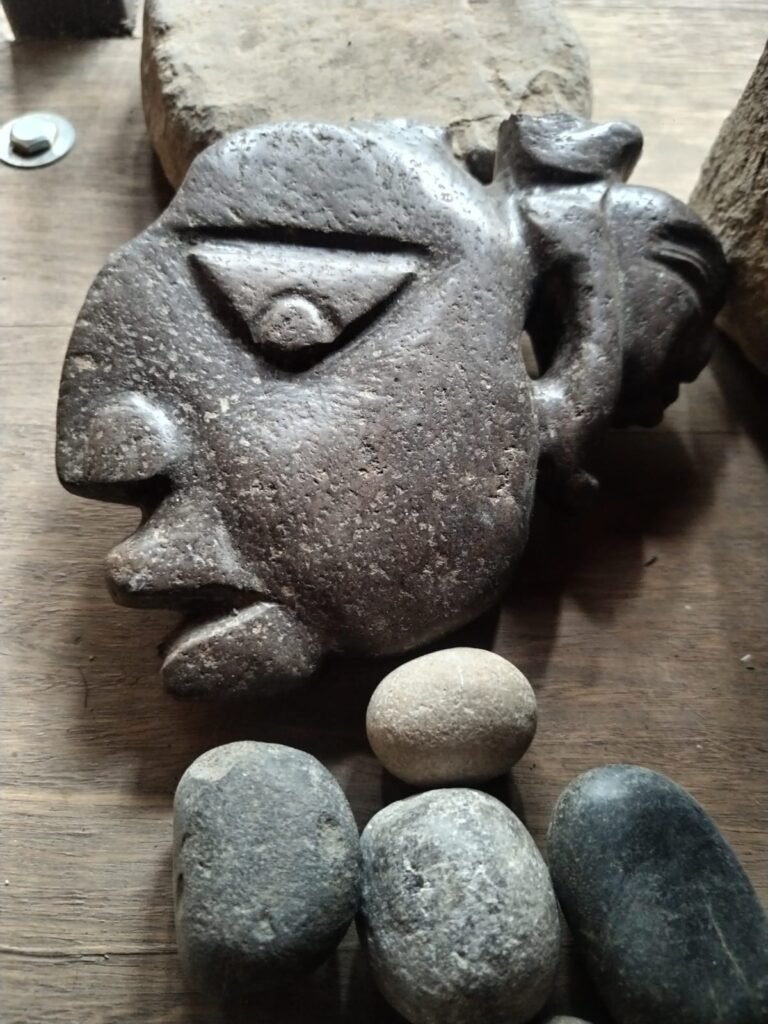
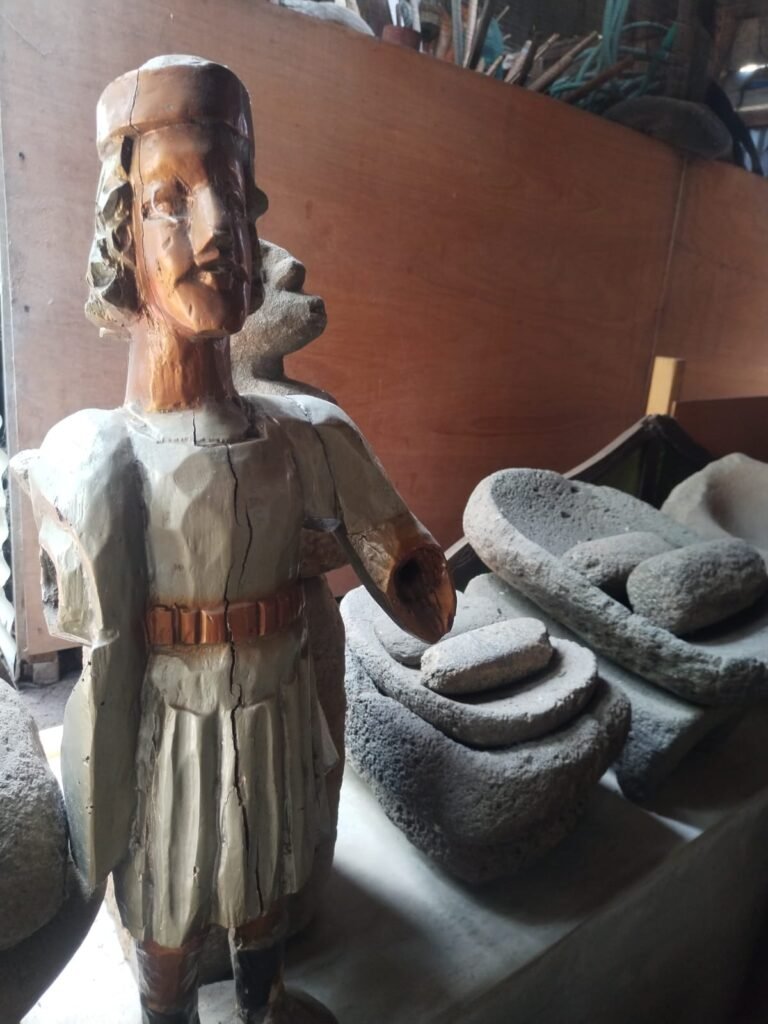
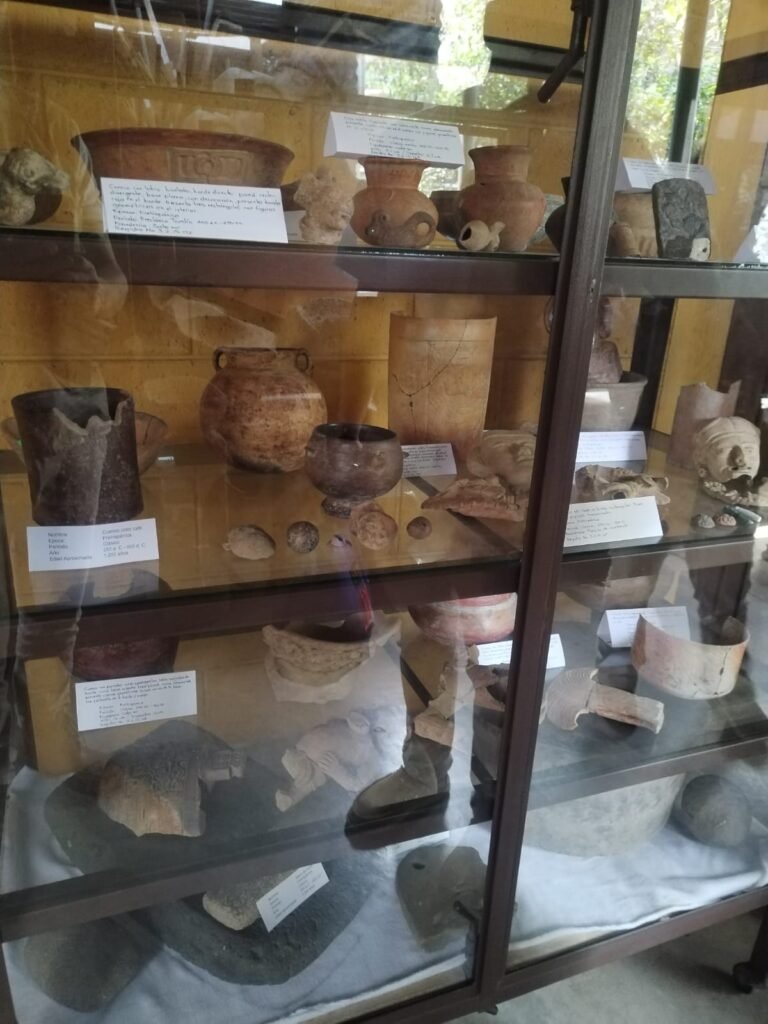
The Casa Museo San Andrés Ceballos, managed by Humberto, houses a valuable collection of pre-Hispanic and colonial pieces recovered from a family-owned estate. Pots, grinding stones, bowls, zoomorphic figures, and masks coexist with carved saints, candlesticks, and colonial vessels. The museography is modest but orderly; however, the museum lacks institutional and financial resources for infrastructure, preventive conservation, and outreach. Visiting it is, beyond a history lesson, a direct way to support heritage preservation.
Sustainability Relevance: Institutional strengthening of the museum (conservation, safe storage, and educational programs) will allow it to become a hub for responsible cultural tourism with economic benefits redistributed to the community.
4. Handicrafts Market and Regional Costume Museum
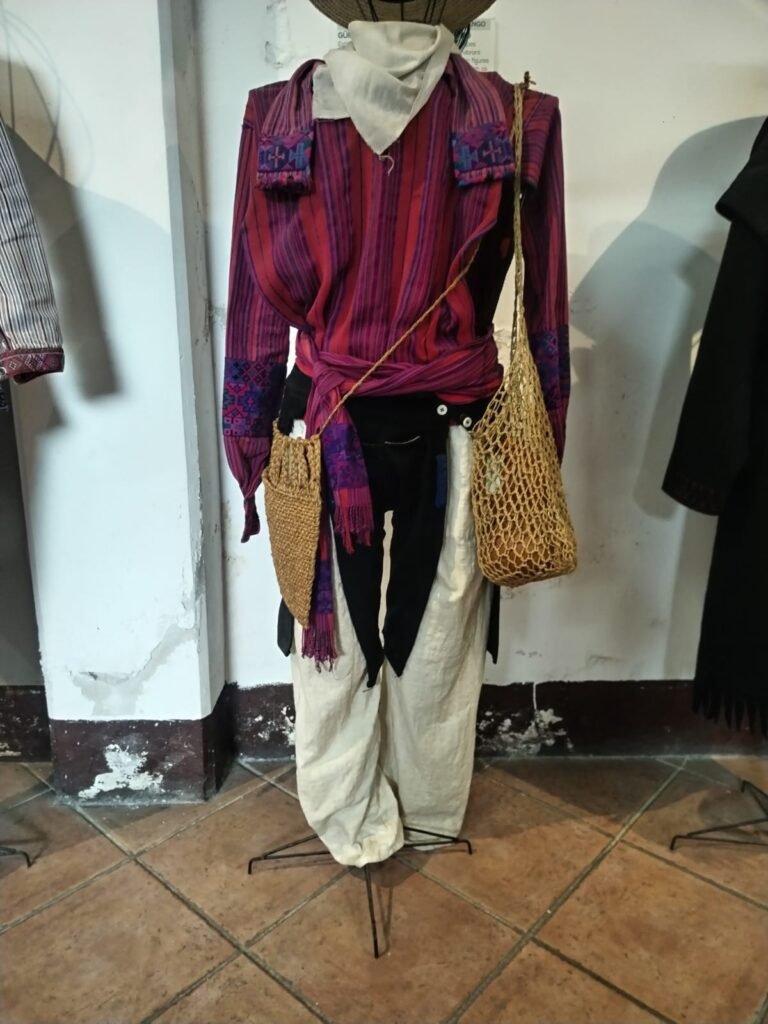
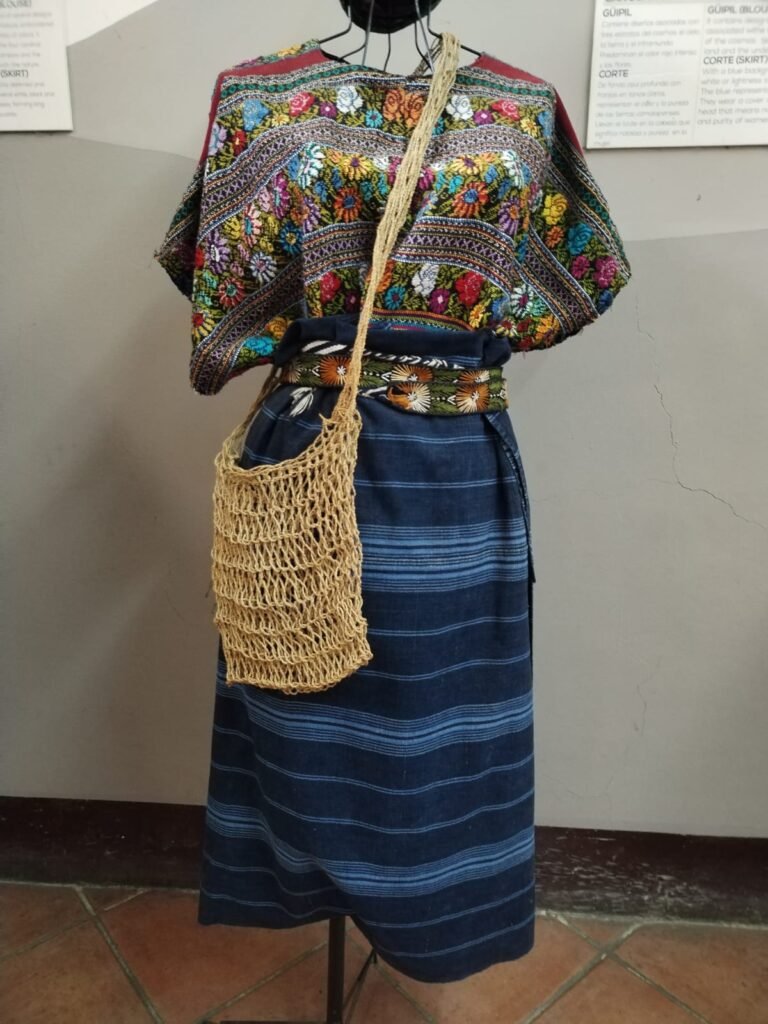
The central plaza hosts a two-level market where artisans and merchants sell tzutes, huipiles, cortes, tablecloths, dolls, bags, bracelets, wallets, hammocks, and an entire array of products tied to traditional textiles. On the second floor, the Museo del Traje Típico exhibits representative outfits from different municipalities: Chichicastenango (Quiché), San Juan Comalapa (Chimaltenango), Todos Santos Cuchumatán (Huehuetenango), San Antonio Aguas Calientes, and San Martín Jilotepeque, among others. Each costume tells stories: solar symbols, double-headed eagles, three-tier cosmologies, and codes of nobility and purity woven into colors and embroidery. The proximity of the market and the museum creates a complete experience: those who observe the garments can then buy pieces or replicas directly from people who still weave at home.
Sustainability Relevance: The market serves as a direct sales channel; encouraging informed and fair-trade purchases is essential for sustaining the local textile economy and conserving traditional techniques.

Sustainable Tourism: Principles Applied and Practical Recommendations
San Antonio Aguas Calientes gathers ideal elements for sustainable and community tourism. Below are principles and recommended actions for operators, visitors, and authorities:
- Short supply chains and fair trade: Encourage direct purchases from artisans and producers (avoiding exploitative commissions)—as practiced by NOBI and local stalls—so that income stays within the community.
- Institutional support for the museum: Provide technical assistance to the Casa Museo San Andrés Ceballos (preventive conservation, microclimate-controlled display cases, digital cataloging of collections) to protect heritage.
- Educational programs and school visits: Design itineraries for students combining the museum, the weaving school, and NOBI workshops, ensuring intergenerational knowledge transfer.
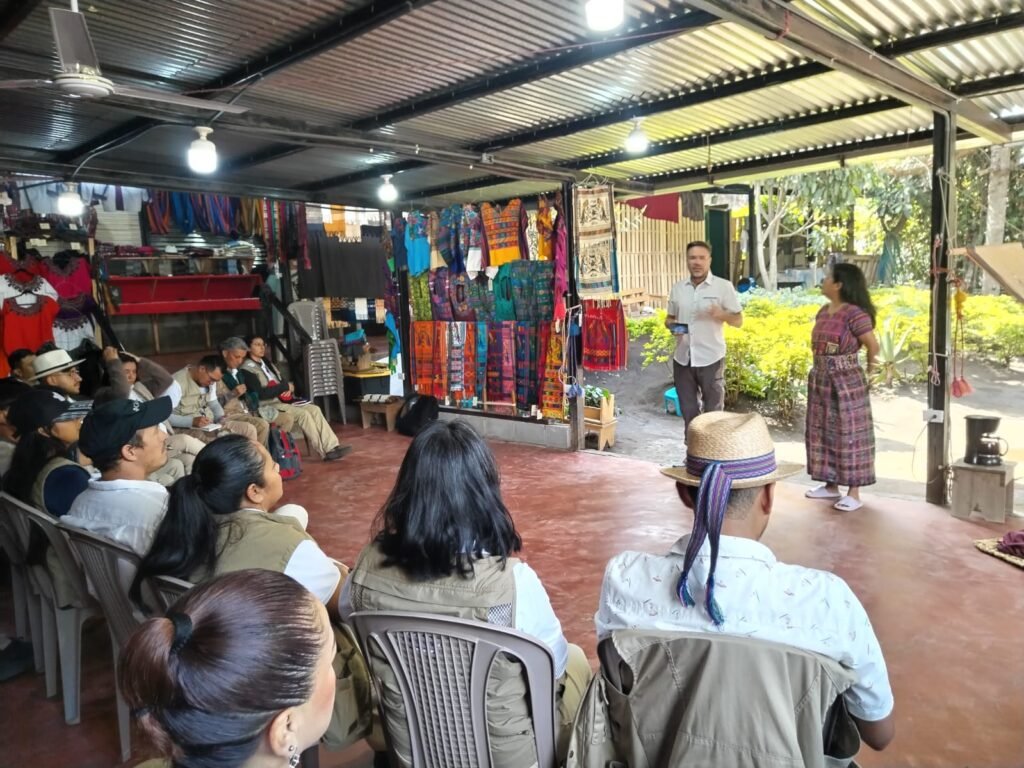
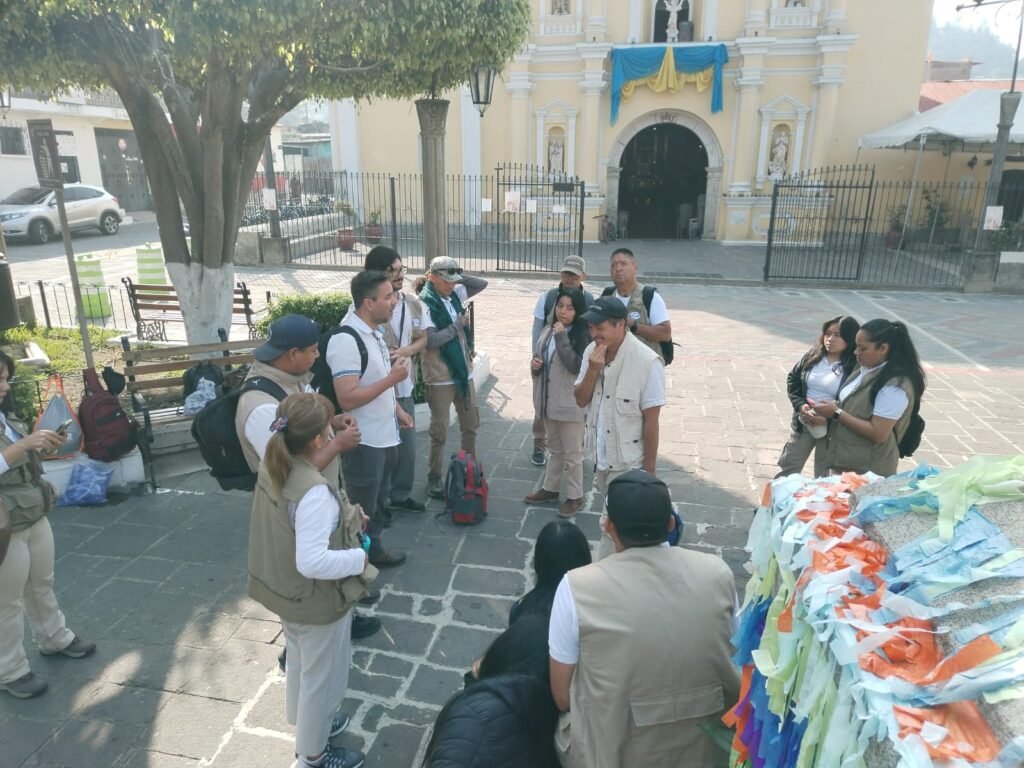
- Training for local guides: Prepare guides in cultural interpretation, group management, and respect protocols (no touching artifacts, asking permission for photos, checking for allergies in tastings).
- Tourist load limits: Keep groups small (10–20 people per tour), prioritize reservations, and stagger schedules to avoid market and workshop saturation.
- Conservation incentives: Promote donations, memberships, or micro-sponsorships for the museum; allocate a percentage of sales or tour income to conservation funds.
Conclusion: A Destination Worth Discovering with Respect
San Antonio Aguas Calientes is a living balance between the monumental (the volcano), the everyday (the market and the weavers), and the fragile (archaeological pieces and knowledge that need protection). Local initiatives—NOBI, Cho Ko Jol Juyu, the Casa Museo San Andrés Ceballos, and the Market with its Costume Museum—form a tourism offering that can become a model of community tourism: cultural, sustainable, and with direct social impact.
Visiting San Antonio is more than taking home a souvenir: it is participating in the continuity of traditions, the dignity of ancestral work, and the conservation of memories. For those planning a trip to Antigua Guatemala, the route to San Antonio is an invitation to look closer, listen to woven stories, and invest in the cultural future of the region.