
Chok’Ojol Juyu: Among Hills and Mountains, the Art of Maya Weaving is Reborn
High in the hills of San Antonio Aguas Calientes, along cobbled paths and landscapes that still breathe the spirit of the original peoples, a school blooms—a place that doesn’t just teach weaving but intertwines past, present, and future into every thread. Its name is Chok’Ojol Juyu, which in the Maya language means “among hills and mountains.” A small place in size, but immense in meaning.
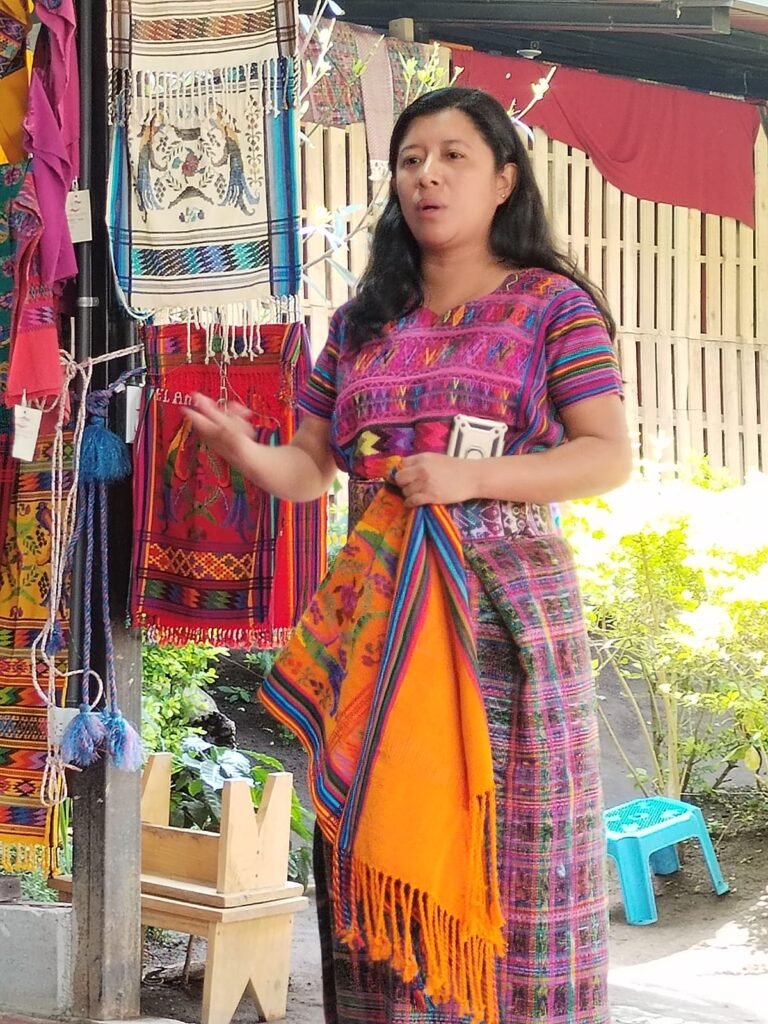
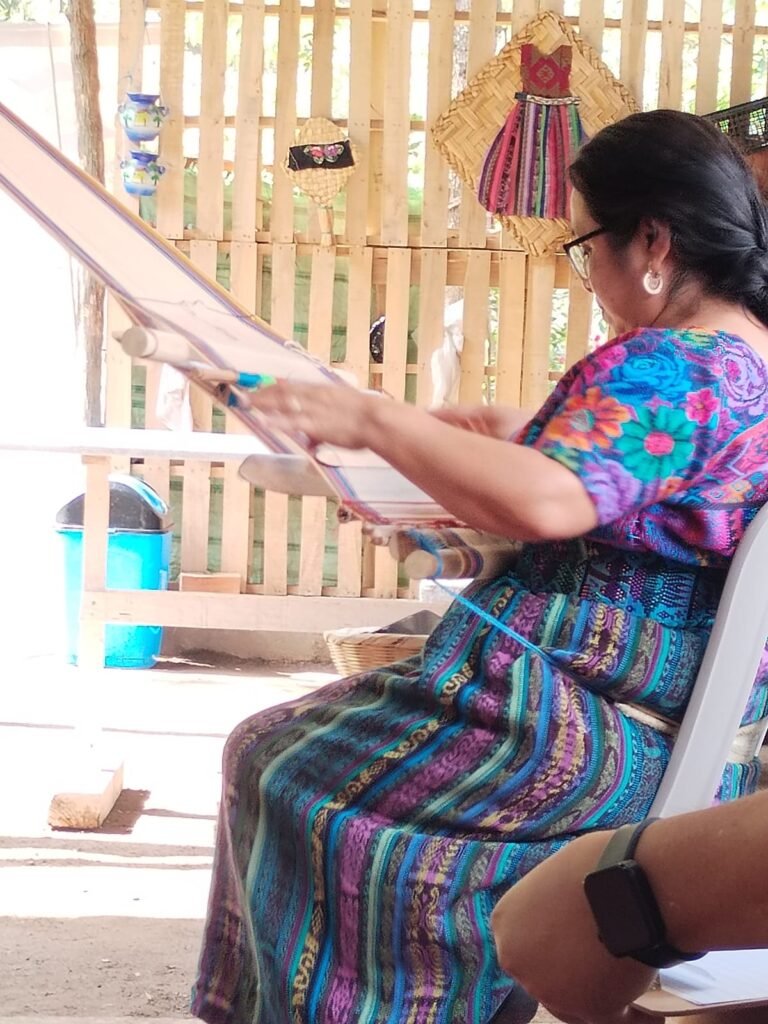
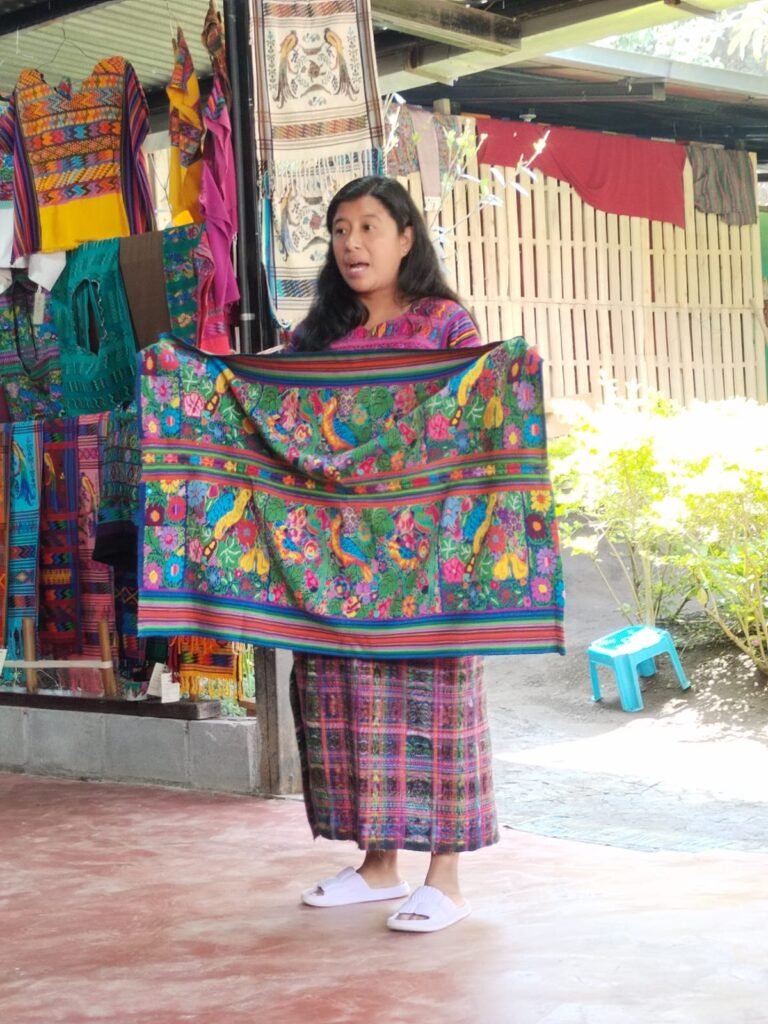
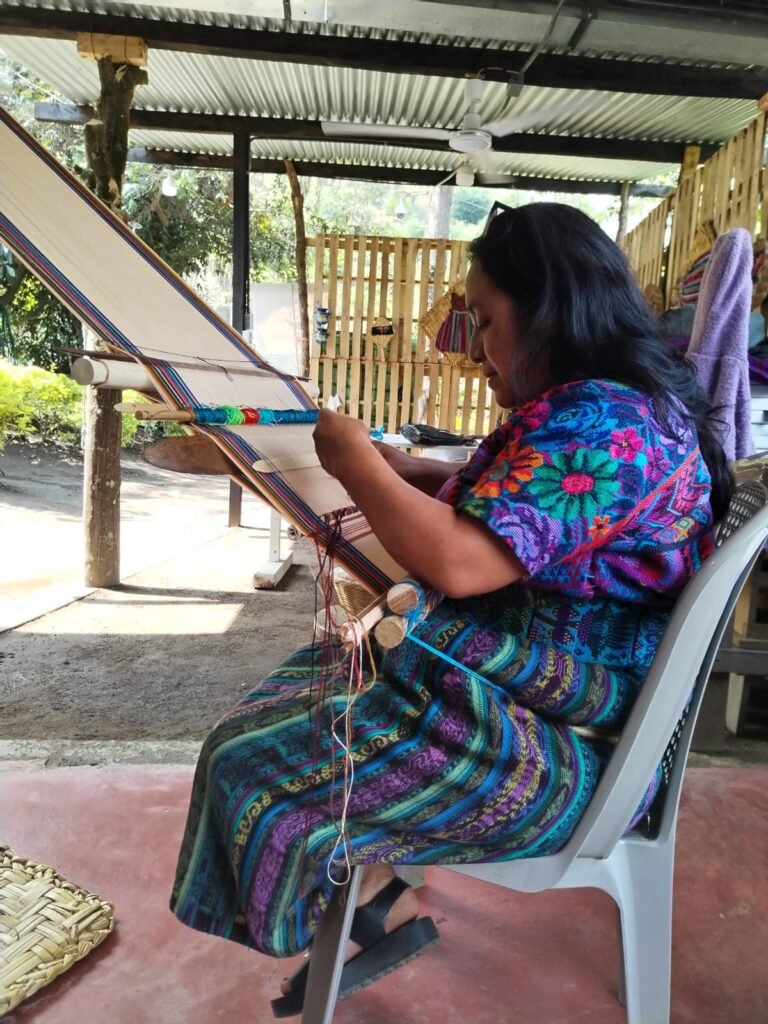
Every Saturday, between eight in the morning and noon, fifteen children gather here with a purpose that goes far beyond technical learning: to preserve an identity that has been woven, thread by thread, by their grandparents for centuries. The school, founded and sustained by three Maya women—Mili, Rosalinda, and Wendy—receives no government funding. It is supported solely through the sale of handicrafts and textiles from the small shop beside it.
But this is no ordinary project. It is an act of cultural resistance.
Weaving to Remember
Fifteen years ago, the last elder who mastered the ancient weaving techniques passed away. Since then, the ancestral tradition was on the brink of disappearing. Many young men have chosen not to wear traditional clothing due to the discrimination they face outside their community. This social pressure forces them to stay within the safe confines of their village—denying the world their artistry. Because yes, men too are remarkable textile artists.
In this context, Chok’Ojol Juyu does more than teach children how to weave; it restores their pride in carrying, with dignity, what their ancestors left behind. In class, they recover designs that had vanished—patterns once considered “dead,” now brought back to life by the hands of children.
Indigenous Fashion: Aesthetics with Soul
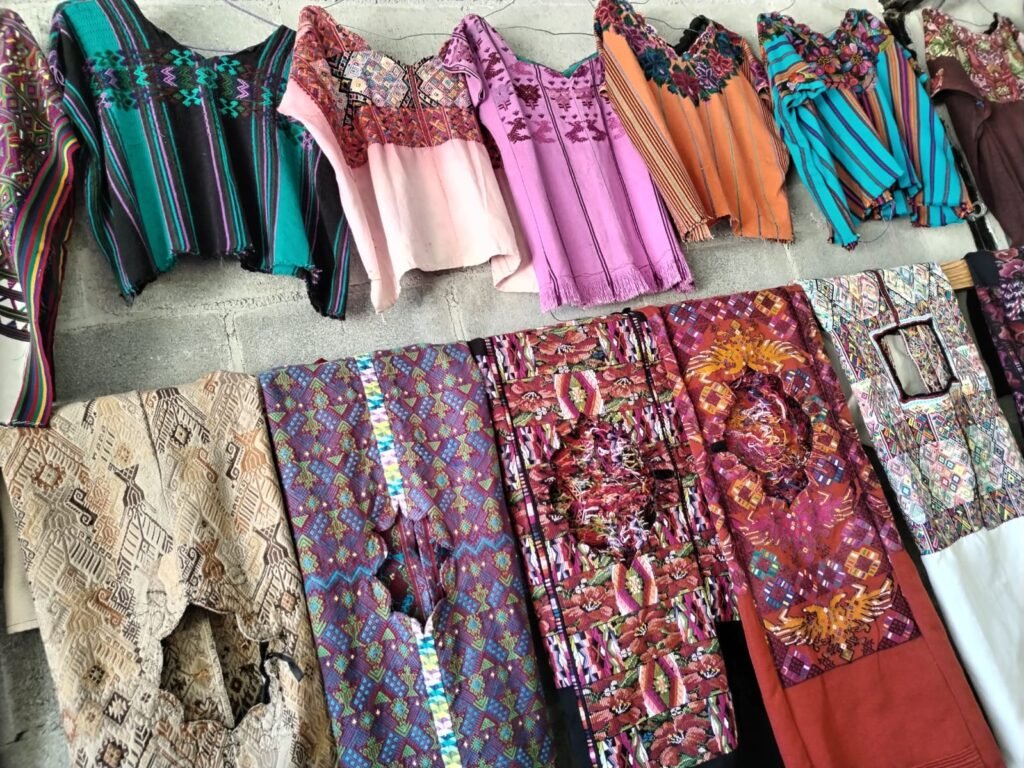
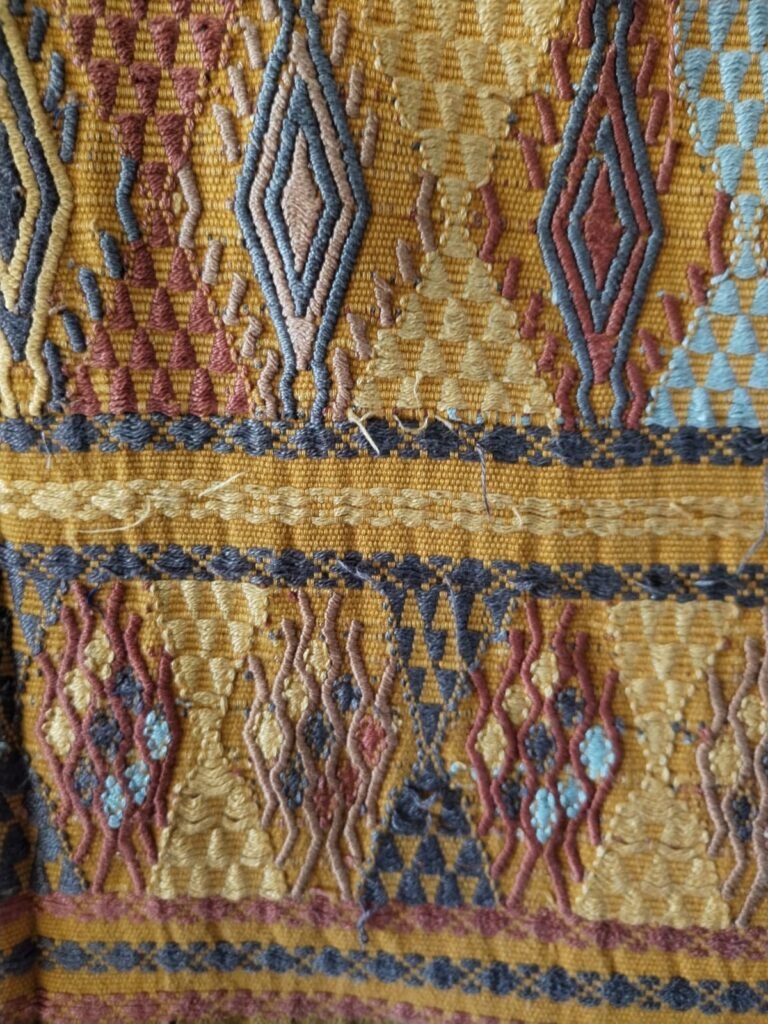
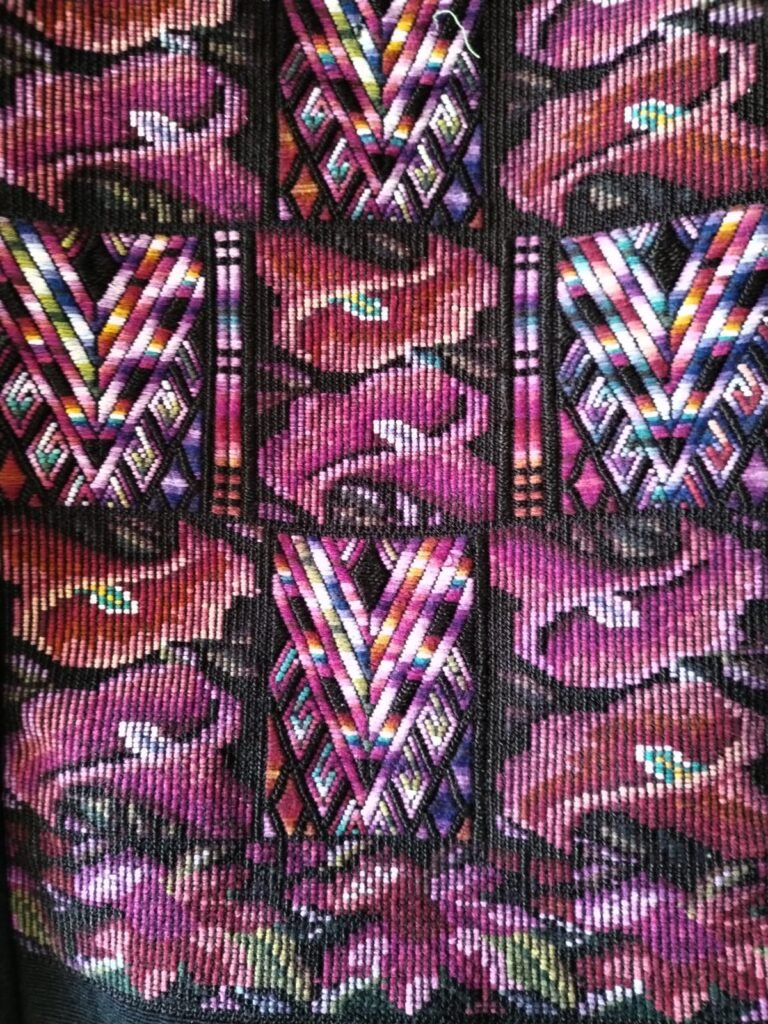
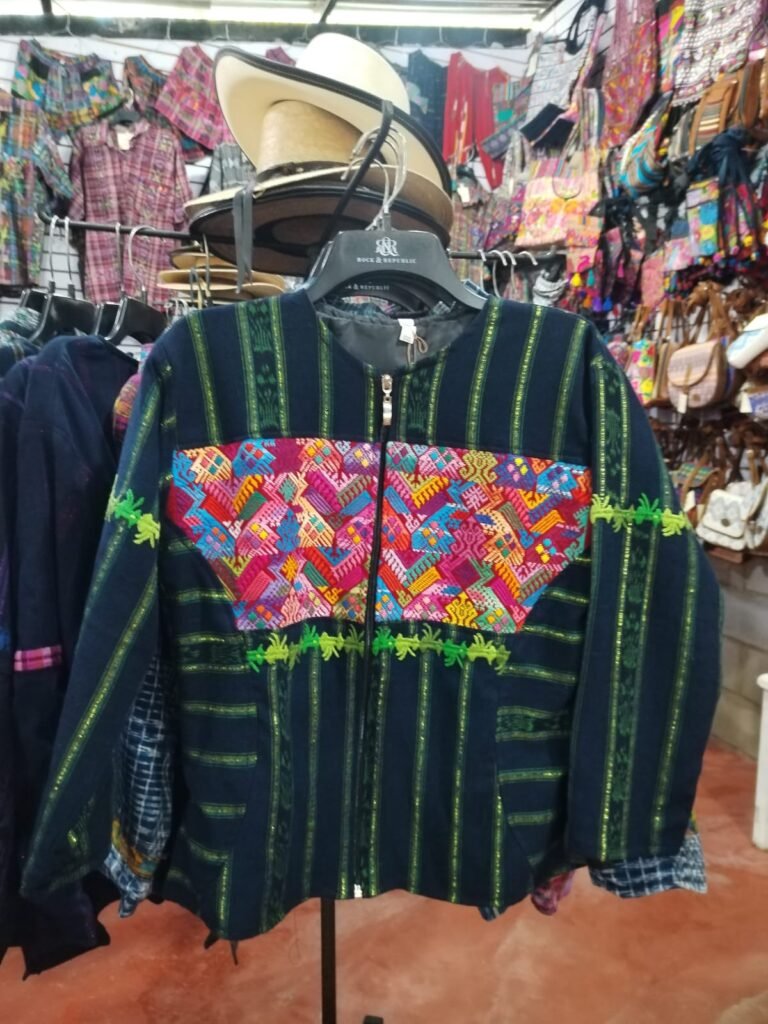
Unlike the modern world where fashion changes with every season, in the Maya world, trends last for years. Color choices, neck designs on the huipil, and beaded embellishments all reflect deep cultural processes—stories and values that have been kept alive across generations.
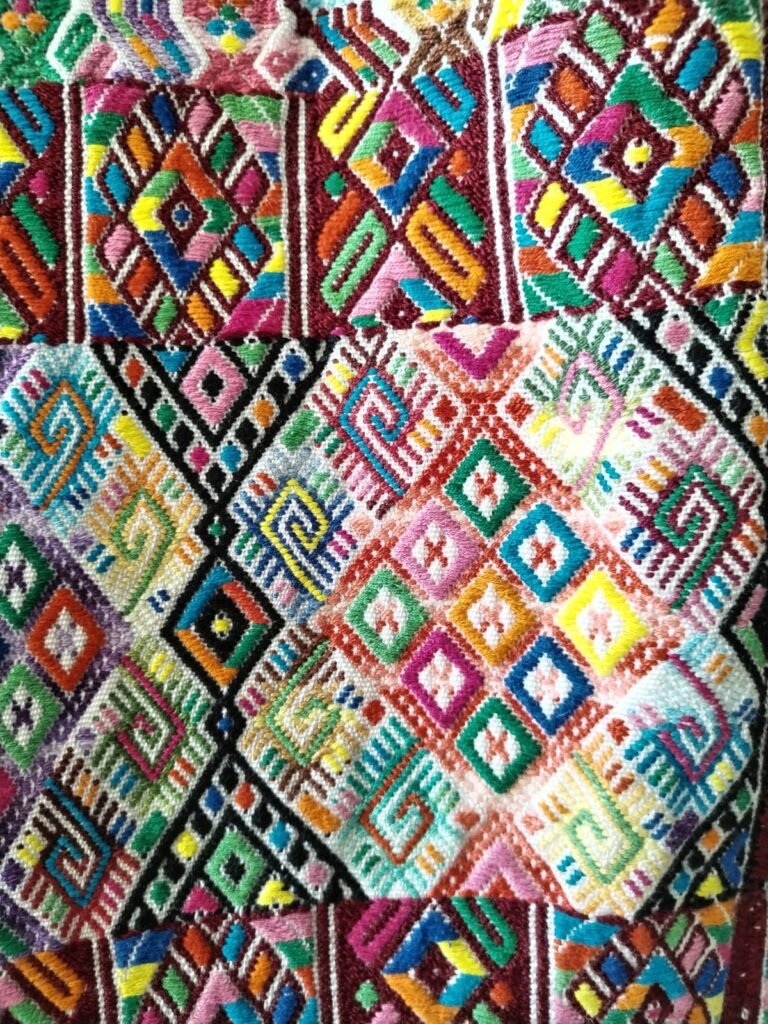
Each design carries a name and a meaning. There’s “Pepita”, which represents the seed and reminds us that the best of the harvest is always kept to preserve life. “Pie de chucho” (dog’s paw) symbolizes the dog, a faithful companion to farmers for centuries. “Jaspeado” indicates rain is coming, and the “Arco de espinas” (arch of thorns) reflects the creative power of women—those who can give life endlessly, though they too have suffered discrimination when unable to bear children.
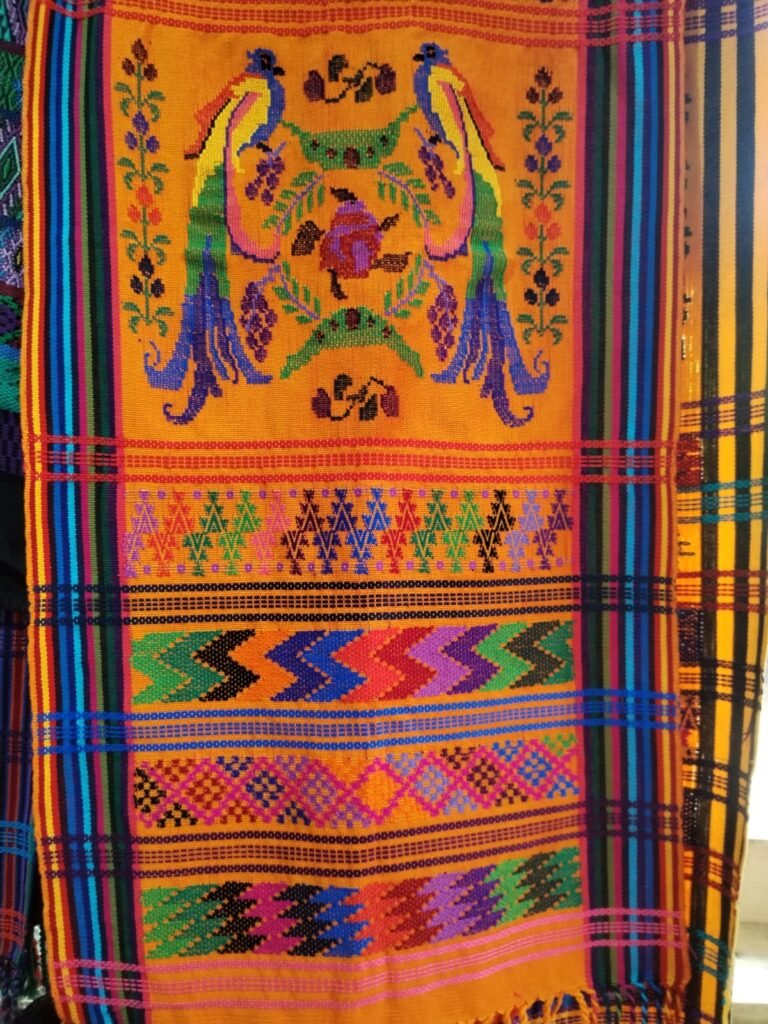
Other designs depict quetzal birds, mountains, volcanoes, and even the aroma of freshly roasted coffee. Each piece is a mirror of the natural and emotional world of its creator.
The Perfect Double Stitch and the Art of the Tzute
San Antonio Aguas Calientes is renowned for an exceptional technique: the perfect double stitch, a form of embroidery on both sides that leaves the reverse as flawless as the front. Unlike in other towns, here you won’t find hanging threads or hidden mistakes. It is a bold expression of skill, pride, and perfection.
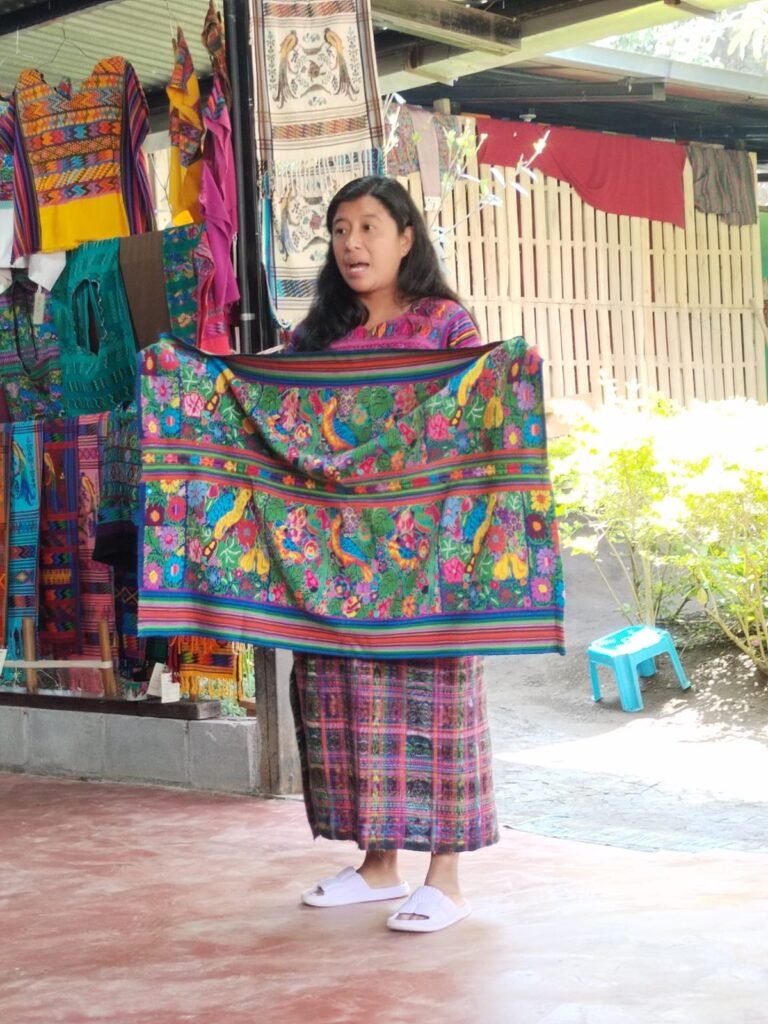
But among all sacred pieces, one holds the greatest symbolic weight: the tzute. This textile has no reverse. It becomes a wedding gift and takes six to eight months to complete. A young woman begins weaving it the moment her engagement is made official. Each figure woven into it represents her feelings toward her future in-laws.
On the wedding day, the mother-in-law carries the tzute on her arm. Everyone wants to see it—it reveals the bride’s love, dedication, and commitment. It is a one-of-a-kind piece, irreplaceable, priceless… though its value is approximately Q15,000.
A Legacy Worth Protecting
At Chok’Ojol Juyu, the goal goes beyond teaching weaving. There is a vision to register and protect the designs and techniques of each village. Not for profit, but to safeguard the soul of the culture from cultural appropriation.
Here, the huipil—or pot, as it is called in the Maya language—is not just clothing. It’s a woven biography. The nim pot, the great huipil, is like a thread-written codex that tells stories of harvests, rains, love, struggle, and resistance.
Workshops, Lunch, and a Sincere Welcome
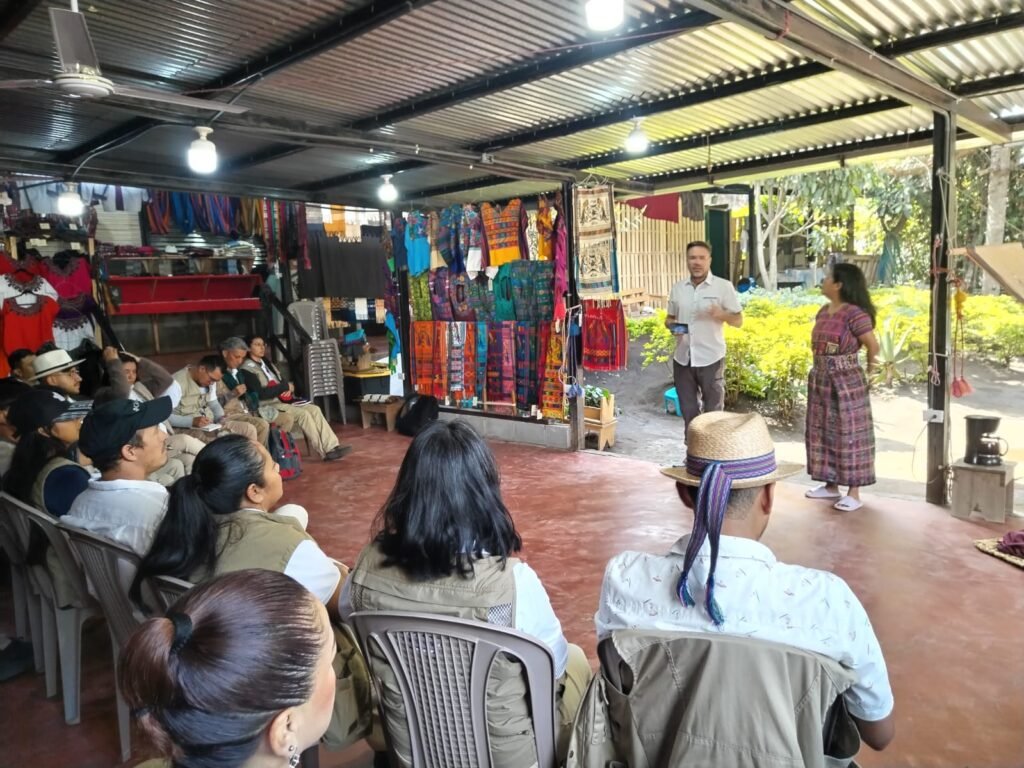
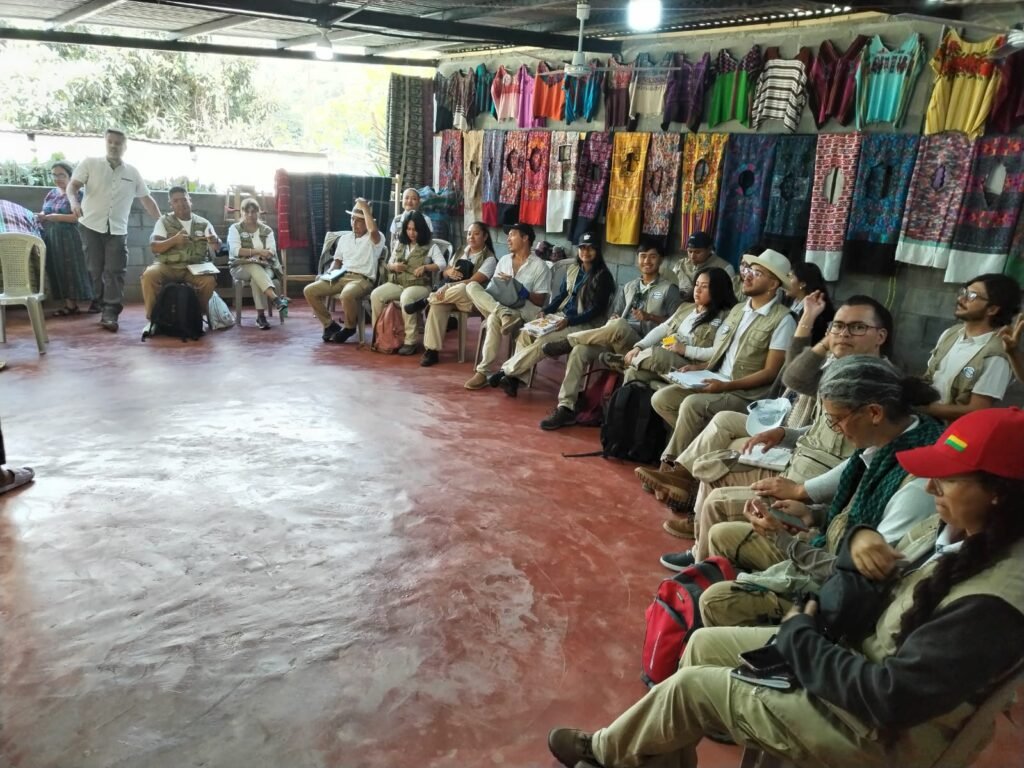
The school opens its doors to tourism in a simple yet genuine way. Free tours allow visitors to observe the living art of weaving. There are also workshops where guests can learn the basics of traditional weaving, and handmade textiles, worry dolls, and traditional dishes like pepian are available for purchase.
Everything is handled transparently: credit cards are accepted, tours are conducted in Spanish only, and 20% of sales go directly to the artisans who make this magic possible. If lunch is offered, they will kindly ask about food allergies—a small gesture that reflects their warmth and care.
Contact Information
📞 Phone / WhatsApp: +502 4075 5856
📍 Chok’Ojol Juyu – School of Weaving for Children
🧵 Saturdays from 8:00 a.m. to 12:00 p.m., limited to 15 children
A Cultural Summit
In this corner of Guatemala, threads do more than bind colors—they bind memories. There, in the tzranjuyu, the summit of the hill, the weavers and their students are not merely preserving a tradition: they are shaping the future. And they do it, as their people always have—among hills and mountains.