
Municipality of Guatemala and Congress of Guatemala: History, Function, Tourism and Current Affairs
The Municipality of Guatemala and the Congress of the Republic of Guatemala (also called Legislative Body) are two pillars of the country’s functioning in the capital, New Guatemala of the Assumption. Both buildings and their institutions represent not only government functions but also architectural and heritage landmarks and points of interest for visitors interested in the history and civic life of the country.
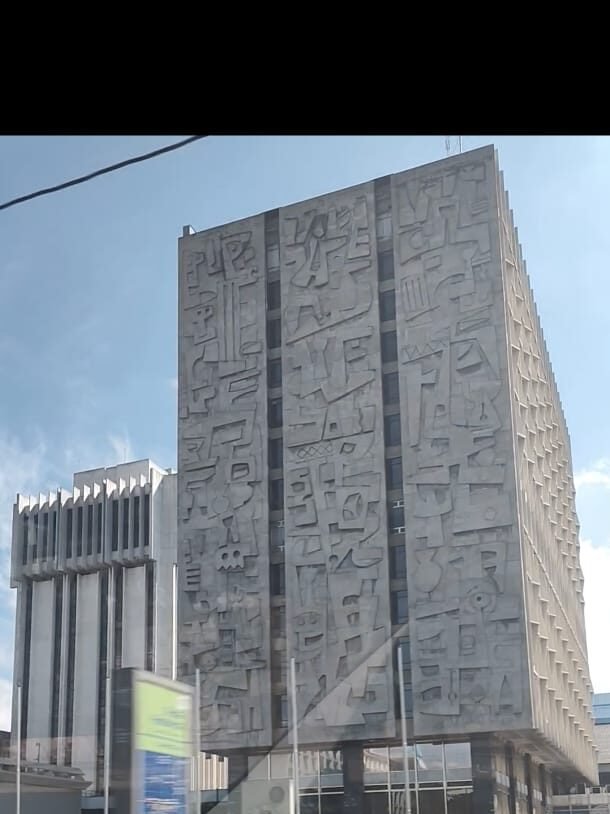
🏛️ Municipality of Guatemala
📜 Brief institutional history
The Municipality of Guatemala City. Its origins lie in the founding of the capital city in1776, when the then New Guatemala of the Assumption established its council or town hall to administer local affairs after its relocation from Antigua Guatemala.
Throughout the republican period, the municipality evolved along with the city, adapting to the political and legal changes that expanded the powers and autonomy of the local government.
🏗️ Current building: Municipal Palace of Guatemala City
The City Hall building was constructed as part of the project Civic Center of Guatemala City, a modern urban planning initiative that concentrated several state institutions in a functional and symbolic space.
- Construction begins: 1954.
- Inauguration: December 30, 1958 under the administration of the mayor Julio Obiols.
- Architects: Pelayo Llarena Murúa and Roberto Aycinena Echeverría.
- Style and structure: Reinforced concrete, glass and steel with a seismic system designed to resist movements.
- Integrated artworks: Murals of Carlos Mérida and sculptures of Dagoberto Vásquez and Guillermo Grajeda Mena that decorate the building and reflect national cultural themes.
The Municipal Palace is located in an urban environment that symbolizes the modernization of the capital and is part of the group of buildings that make up the Civic Center.
📋 Key functions of the Municipality
The Municipality of Guatemala has a series of public responsibilities focused on urban well-being and local management:
- Administration of public services (water, cleaning, markets, parks, etc.).
- Territorial planning and urban planning.
- Regulations, licenses and permits.
- Road safety and traffic management.
- Cultural promotion and citizen programs.
- Recreational spaces and community activities.
These functions are fundamental to daily life in the capital and are supported by laws such as the Municipal Code and other local government regulations.
📍 Tourism and visits
Although it is not a traditional tourist spot, the area of Civic Center And its buildings, including the City Hall, are part of the urban cultural tours of Guatemala City for those who wish to understand how the local government works and observe 20th-century architecture.
🏛️ Congress of the Republic of Guatemala
📜 What it is and how it works
The Congress of the Republic is the unicameral legislative body from Guatemala. It is made up of 160 deputies who are elected every four years by direct popular vote through closed lists, with the possibility of re-election.
Congress has exclusive legislative power in the republic, that is:
- Create laws.
- Approve national budgets.
- Oversee other branches of government.
- To represent the popular will.
These functions are set directly in the Political Constitution of Guatemala and in the Organic Law of the Legislative Body.
Congress holds its ordinary sessions twice a year:
- January 14 to May 15.
- August 1st to November 30th.
🏛️ The Legislative Palace
The Congress headquarters are in Zone 1 of Guatemala City, at the Palace of the Legislative Body.
Architectural and historical data:
- Inauguration: March 1, 1934 during the presidency of Jorge Ubico Castañeda.
- Design: Architect Manuel Moreno Barahona with sculptor Manuel Domínguez.
- Location: Building constructed on the site of the old Economic Society of Friends of the Country, destroyed by the earthquakes of 1917–18.
- Features: Facade of Ionic columns, carved wooden doors and Greco-Roman details that represent the importance of the legislative power in Guatemalan democratic life.
The Legislative Palace has been named by many as the “People’s House” because of its central role in the country’s democracy, and has become over time one of the most visited buildings by students, professionals and citizens interested in national political history.
📍 Visits and tourism
The Congress opens its doors to guided tours on certain cultural events and dates, such as the Night of the Museums where the public can explore the interior, see the Plenary Hall and understand how legislative work is carried out.
Educational visits can also be scheduled directly with the agency for academic groups or those interested in the functioning of the state.
🌆 Role comparison
| Entity | Main function | Type of government |
| Municipality of Guatemala | Local government and urban services | Autonomous municipal government |
| Congress of the Republic | Creation and approval of national laws | Legislative Branch of the State |
📍 Location and urban integration
- The Municipality is located in the Civic Center, along with other buildings such as the Bank of Guatemala, IGSS, and other key institutions in modern public administration.
- The Congress is in Zone 1 / Historic Center, integrated into the set of civic spaces in the political heart of the city.
🏨 Hotels and nearby tourism
If you visit these buildings, in zone 1 and nearby areas. They offer ideal hotel and dining options:
🏨 Recommended nearby hotels
- Hotel Museo Casa Santo Domingo (Antigua) – although outside the city, ideal if your stay includes Antigua.
- Hotels in Zone 1: 2-3 star hotels with historical charm.
- Hotels in Zone 10 / Zona Viva (short distance): Hyatt, InterContinental, Barceló, etc.
These areas are well connected by urban transport, tourist transport and passenger services.
🧭 Current events and citizen participation
- Congress has been a focus of social debates and protests that reflect the country’s political dynamics (for example, demonstrations in 2020 that even reached the building).
- The Municipality promotes programs such as “Steps and Pedals”, which transforms streets into recreational spaces for the population and tourists during weekends.
🔗 REFERENCE LINKS
📌 Municipality of Guatemala City (Wikipedia)
https://es.wikipedia.org/wiki/Municipalidad_de_la_Ciudad_de_Guatemala
📌 History and details of the Municipal Palace
https://turismo.muniguate.com/historia/historia-del-palacio-municipal-de-la-ciudad-de-guatemala
📌 Congress of the Republic of Guatemala (Wikipedia)
https://es.wikipedia.org/wiki/Congreso_de_la_Rep%C3%BAblica_de_Guatemala
📌 History of the Palace of the Legislative Body
https://es.wikipedia.org/wiki/Palacio_del_Organismo_Legislativo_%28Guatemala%29
📌 Night of the Museums and opening of the Congress
https://www.congreso.gob.gt/noticias_congreso/12365/2024/4